Have you ever paused at a playground entrance and wondered, “Is there a metal slide at the playground?”


Is There A Metal Slide At The Playground?
You might see a gleaming run of metal catching the sun or a shaded silver surface tucked under a canopy. This article will help you identify whether the playground you’re at has a metal slide, why metal slides were common, and what you should consider about safety, temperature, maintenance, and alternatives. You’ll get practical advice so you can make informed choices for yourself and the children in your care.
Why Metal Slides Were and Are Common
Metal slides were a staple of playgrounds for decades because they were inexpensive, durable, and easy to produce. You’ll still find them in many parks, schools, and older community playgrounds that haven’t been renovated.
You should understand that design priorities in earlier eras emphasized robustness and cost-effectiveness, which made metal a go-to choice. Newer playgrounds tend to favor plastic or coated metal for safety and comfort, but metal remains present in many places.
Historical context of playground materials
Early to mid-20th century playgrounds relied heavily on cast iron, steel, and aluminum parts. Metal manufacturing technologies and industrial trends made these materials widely available and affordable.
If you’re researching or comparing playground types, knowing the history helps you see why metal slides are in older installations and how regulatory and material changes influenced modern designs.

How to Identify a Metal Slide
You’ll want to visually and physically inspect the slide when possible. Metal slides typically have a metallic sheen, are often unpainted or have a thin coat of protective paint, and may carry rivets or welded seams visible along the sides.
If you can, touch the slide frame (carefully) to feel the temperature and material. A metal slide will feel conductive and may be cooler or hotter than surrounding plastic depending on weather. If there’s any doubt, look for manufacturer plates or tags that indicate the material.
Visual characteristics
A metal slide often has a uniform reflective surface, slightly thinner profile than solid molded plastics, and bolts or seams visible along the length. You might see supporting metal brackets or posts that match the slide material.
Physical characteristics
When you gently touch the surface, metal feels hard, conductive, and can be very hot or cold to the touch based on environmental conditions. Metal slides are more likely to have a smooth, slippery surface without fine texture.
Types of Metal Used in Slides
You’ll encounter several metals in slide construction—galvanized steel, stainless steel, and aluminum are the most common. Each metal has different characteristics that affect durability, heat conduction, and maintenance needs.
Knowing the metal type helps you anticipate how it behaves in different weather and how frequently it might require maintenance.
Galvanized steel
Galvanized steel is steel coated with zinc to reduce corrosion. It’s strong and economical, but over time the zinc coating can wear, increase rust risk, and create rough spots that may catch clothing.
You should watch for flaking or rust, especially in humid or coastal climates.
Stainless steel
Stainless steel resists rust and usually ages better than galvanized steel. It remains smooth and strong for years, and its finish often looks nicer. Stainless steel is less prone to corrosion but still conducts heat effectively, so temperature concerns remain.
Aluminum
Aluminum is lighter and less prone to rust than steel. It can be used where easier installation and less structural weight are desired. Aluminum conducts heat well too, but it often has a lower thermal mass so it might cool and heat up faster than steel.

Pros and Cons of Metal Slides
When you weigh the pros and cons, you’ll see why metal slides persist in some settings and fall out of favor in others. A balanced view helps you make safer choices for children.
Use the table below to compare key advantages and disadvantages.
| Pros (Why metal may be used) | Cons (What you should consider) |
|---|---|
| Highly durable and long-lasting in many environments | Can heat up quickly in sunlight, causing burn risk |
| Strong structural performance under heavy use | Conducts cold in winter, possibly causing discomfort |
| Often lower initial cost than some alternatives | Can rust, dent, or develop sharp spots if not maintained |
| Smooth, fast sliding surface | Less forgiving on falls; higher friction with clothing can cause snagging if damaged |
| Easier to paint and refurbish | Can be noisy and amplify sounds |
Safety Issues You Should Know About
Safety is the primary concern for caregivers and playground managers. You’ll want to evaluate burn risk, fall heights, entrapment hazards, and maintenance status.
Metal slides are safe when properly installed and maintained, but they require specific attention to environmental conditions and periodic inspections.
Burn risk from hot surfaces
Metal is a good conductor of heat, so on sunny days the slide surface can become very hot. You should always check the temperature of a metal slide before allowing children to use it.
A quick hand test—touching the slide for a few seconds—can tell you whether it’s safe. If it feels too hot to keep your hand there, it’s too hot for a child, especially younger children with more sensitive skin.
Cold-weather considerations
In cold weather, metal can become very cold and potentially cause discomfort or even minor frostbite in extreme conditions. The surface may also become slick with frost or ice, increasing the risk of uncontrolled sliding or injury.
You should avoid metal slides when they are icy or too cold to touch comfortably.
Fall and impact risks
Metal slides are usually stationary and rigid. If safety surfacing under and around the slide is insufficient, falls from the slide’s platform or along the run can result in injury.
You need to check for adequate cushioning—such as engineered wood fiber, rubber mulch, sand, or poured-in-place rubber—meeting recommended depths for the equipment’s fall height.
Sharp edges, rust, and entrapment
Older metal slides can develop sharp edges from rust, deformation, or worn paint. You should inspect slides for any rough areas that could snag clothing or cut skin.
Check for openings where fingers, clothing, or heads could become trapped, and ensure handrails, sides, and seams meet current safety standards.
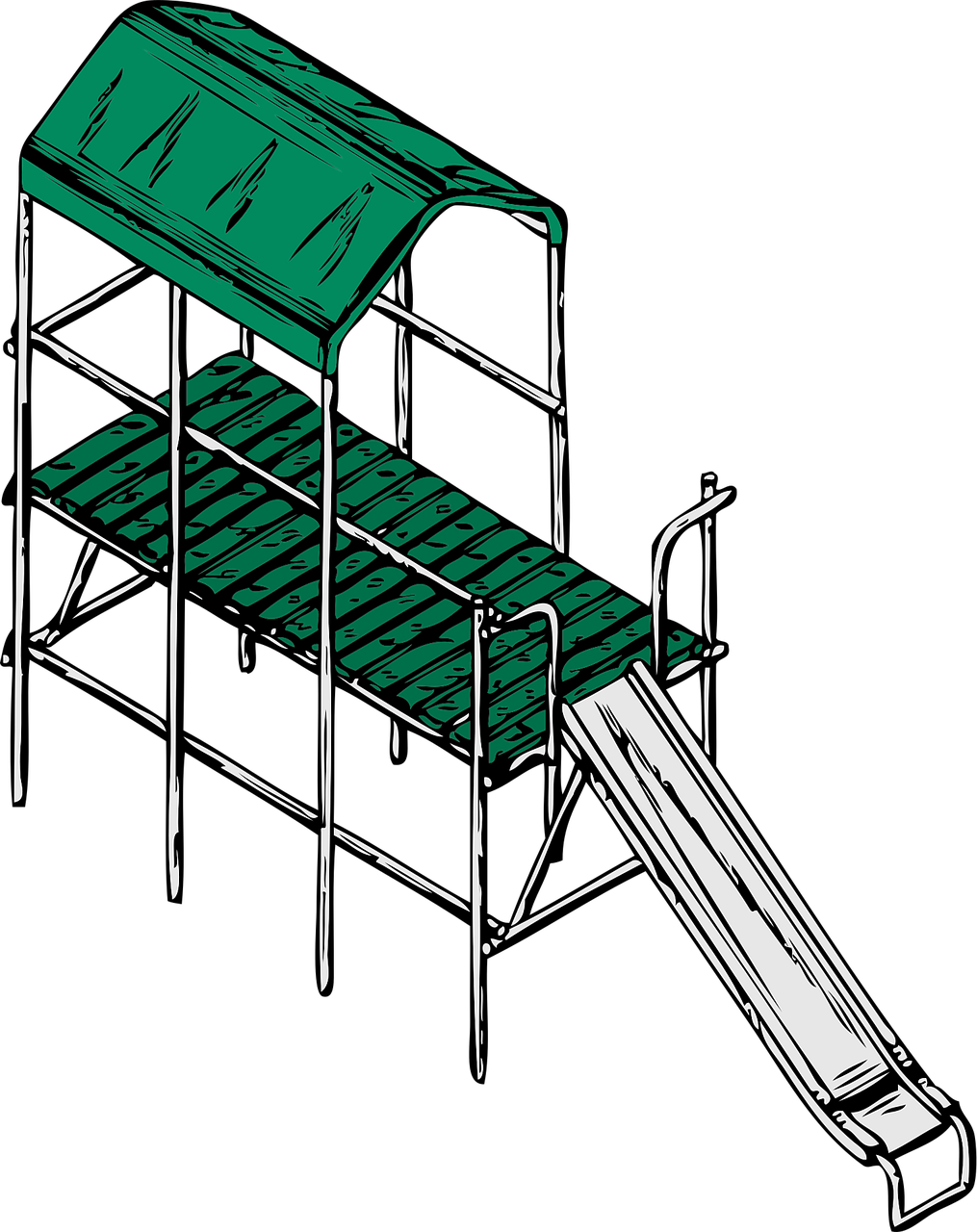
How to Check a Slide Before Use
Before allowing children to use a slide, you should perform a quick safety check. This is especially important when you didn’t inspect the playground recently or if the equipment looks aged.
Follow this practical checklist before play.
Pre-use safety checklist
- Visually inspect the slide surface for rust, dents, or peeling paint.
- Touch the slide surface to test for excessive heat or cold.
- Look for sharp edges or protruding bolts and screws.
- Ensure the start platform and ladder steps are secure and free of hazards.
- Confirm the safety surfacing beneath the slide meets recommended standards for depth and material.
- Check for wetness, frost, or debris on the slide that might cause slipping.
- Make sure guardrails and handholds are intact and stable.
If you find any major issues, keep children away and report the hazard to the facility manager.
Temperature Management Strategies
You can take simple steps to reduce heat risks and keep sliding fun safer during warm days. Applying behavioral and environmental strategies helps preserve safety.
Here are practical measures you can use.
Shade and scheduling
Choosing shaded play areas or scheduling playground visits for morning and late afternoon reduces exposure to peak sun. You should plan to avoid midday heat when surfaces are hottest.
If shade structures exist, they dramatically reduce slide surface temperatures and make play more comfortable.
Surface coverings and coatings
Some playgrounds install UV-resistant coatings or painted finishes that reflect sunlight. You should confirm whether the slide has a protective finish and whether it’s well maintained.
Coatings can reduce surface temperature by several degrees, though they won’t eliminate heat conduction entirely.
Hand testing and safety rules
Teach children to test the slide with their hands first, and instruct them to slide wearing appropriate clothing if temperatures are high. You can also require that they sit in a way that minimizes skin contact, such as using shorts over a lightweight barrier like a towel or thin seat pad.
Removing barefoot sliding
Encourage children to keep shoes on when using metal slides during uncertain temperature conditions. Shoes provide insulation against heat and reduce friction-related burns.

Maintenance and Inspection: What You Should Expect from Operators
Playground owners or operators carry responsibility for regular inspections and maintenance. You should know what to expect and how to report problems.
Routine checks and timely repairs significantly lower risk.
Recommended inspection schedule
- Daily/weekly: Visual inspections for obvious hazards, debris, and cleanliness.
- Monthly: Functional checks for stability, loose fasteners, and surface condition.
- Annual: Comprehensive safety audit by qualified personnel, covering structural integrity, coatings, and compliance with standards.
As a user, you should report issues you find and ask about inspection records if you’re involved in management.
Common maintenance actions
Maintenance may include rust treatment, repainting, replacing worn bolts and plates, smoothing sharp edges, and renewing safety surfacing. You should verify that repairs are performed by qualified staff using appropriate materials.
Regulations and Standards You Should Know
Playground equipment must meet national and local safety standards. Familiarity with these standards informs your expectations for inspections and repairs.
Knowing which standards apply in your area helps you raise the right questions with facility managers.
Key standards and guidelines
- ASTM F1487: U.S. standard for public playground equipment and surfacing.
- CPSC Public Playground Safety Guidelines: Used widely in the U.S. for design and maintenance recommendations.
- EN 1176: European standard for playground equipment.
You should check which standard applies in your jurisdiction and whether the playground operator follows those norms.
What standards cover regarding metal slides
Standards address fall height, surfacing, entrapment zones, guardrails, openings, and material integrity. They also give recommendations for maintenance, inspection frequencies, and design features to reduce injury risk.
If a slide doesn’t meet relevant standards, you should avoid use and notify authorities.

Alternatives to Metal Slides
If you prefer to avoid metal slides for temperature or maintenance reasons, consider alternatives. Modern slides often use high-density polyethylene (HDPE) or other molded plastics, sometimes with coatings that reduce heat absorption.
You’ll find alternatives that balance durability and comfort.
Plastic slides (HDPE)
Plastic slides are common in newer playgrounds. They usually stay cooler in sun, offer textured surfaces to reduce wet slip risk, and are less likely to rust. You should check that plastics are UV-stabilized to prevent brittleness over time.
Coated metal slides
Some metal slides have protective powder coatings or thermal barriers that reduce heat transfer. These options combine metal’s strength with improved comfort.
Composite and recycled materials
Some modern designs use recycled plastic composite materials that are durable and environmentally friendly. You’ll find these on renovated or newly built playgrounds.
Teaching Children Safe Slide Behavior
You can teach kids habits that reduce risks and improve enjoyment. Proper technique, supervision, and understanding of rules help you keep play safe.
Make these simple guidelines part of routine play.
Basic slide rules to reinforce
- Always sit down and go feet first.
- Wait until the bottom is clear before sliding.
- No climbing up the slide from the bottom.
- Test the surface before using if it’s been exposed to sun or cold.
- Keep hands and clothing away from moving parts and seams.
Encourage older children to model safe behavior so younger kids follow suit.
Supervision and age considerations
You should supervise younger children closely. Toddlers have different balance and judgment capabilities, and they may need adult assistance getting on and off the slide safely.
Age-appropriate design matters—ensure slides are suitable for the age group using the playground.
First Aid for Slide-Related Injuries
Even with precautions, accidents can happen. You should know how to respond to common slide-related injuries like burns, abrasions, and falls.
Prompt, calm action reduces harm.
Treating minor burns
- Cool the affected area under running tepid water for 10–20 minutes.
- Remove constricting items (rings, tight clothing) if the area may swell.
- Cover with sterile non-stick dressing.
- Seek medical attention if the burn is larger than the palm of the child’s hand or involves the face, hands, feet, or genitals.
Treating cuts and abrasions
- Clean the wound with water to remove debris.
- Apply pressure for bleeding control, then apply a clean dressing.
- Watch for signs of infection and seek medical care for deep cuts or wounds caused by rusted metal.
When to seek emergency care
You should call emergency services for suspected broken bones, head injuries, severe bleeding, or burns that are large or deep. Err on the side of caution with head injuries or signs of concussion.
Reporting Hazards and Advocating for Safer Playgrounds
If you find a hazardous metal slide or other dangerous equipment, you should report it to the playground owner, local parks department, or school administration. Proper reporting can prompt timely repairs and safety improvements.
You can be an advocate for safer play by documenting issues and suggesting upgrades.
How to document and report hazards
- Take photos of the hazard and note the location and time.
- Describe the problem clearly: rust, sharp edges, excessive heat, broken bolts, or inadequate surfacing.
- Provide your contact information if follow-up is needed (some agencies respond more quickly with a report).
- Follow up if you don’t see action within a reasonable time frame.
Community input often speeds repairs and leads to better long-term planning.
Retrofitting and Upgrading Metal Slides
If you manage a playground with metal slides, several retrofit options can improve safety and comfort. You should consider coatings, shade structures, or complete replacement based on budget and risk assessment.
Here are common upgrade approaches.
Surface coatings and painting
Applying heat-reflective paints or UV-resistant coatings reduces surface heat and slows weathering. You should ensure coatings are non-toxic and suitable for playground use.
Installing shade structures
Permanent canopies or simple shade sails significantly reduce direct sun on the slide surface. You should balance shade placement with ventilation to prevent trapping heat under enclosed areas.
Replacing with alternative materials
When budget allows, replacing an aging metal slide with a plastic or coated alternative may be the best long-term solution. You should factor in lifecycle cost, maintenance, and durability.
Accessibility and Inclusive Play
You should also consider how metal slides fit into accessible playground design. Inclusive equipment helps children of all abilities enjoy playtime.
Design choices and maintenance affect accessibility.
Accessible considerations for slides
Accessible pathways, transfer platforms, and gentle slope slides offer inclusive options. You should ensure surfaces are smooth, handrails meet height recommendations, and entry points are reachable for children with mobility devices.
Implementing accessible surfacing and adjacent play elements encourages participation for everyone.
Frequently Asked Questions (FAQs)
Below are common questions you might have about metal slides with concise answers.
Are metal slides safe for toddlers?
They can be safe if the design is age-appropriate, surfacing is adequate, and you supervise closely. Avoid steep, high slides for toddlers and check for temperature and surface conditions first.
Can metal slides cause second-degree burns?
Yes, prolonged contact with very hot metal can cause significant burns. Always test the surface temperature before the child slides.
How can you tell if a slide is rusting badly?
Look for flaking metal, pitting, discoloration, and weakened seams. If structural integrity appears compromised or sharp flakes are present, avoid use and report it.
Are metal slides noisier than plastic?
Yes, metal often amplifies sound and can be noisier, especially in windy conditions or when many children play.
Final Recommendations You Can Use Today
You’ll want practical steps you can apply right now when assessing a metal slide at a playground. These actions help keep play safe, comfortable, and enjoyable.
- Always test the slide surface temperature before allowing a child to slide.
- Inspect for rust, sharp edges, loose bolts, and adequate surfacing.
- Encourage proper sliding behavior—sit down, feet first, and wait for the bottom to clear.
- Keep shoes on during uncertain temperature conditions.
- Report hazards to the responsible authority and follow up if repairs are not made.
- Choose shaded playgrounds or schedule visits outside peak sun hours when possible.
- Advocate for modern materials or protective treatments if you’re in a decision-making role.
Closing Thoughts
By paying attention to the material, condition, and environment of playground slides, you’ll be better prepared to keep children safe and comfortable. Metal slides aren’t inherently bad—they’re durable and sturdy—but they come with specific considerations you should manage through inspection, supervision, and good judgment.
If you’re responsible for a playground or care for kids who use one, taking a few proactive steps will give you peace of mind and help ensure play is fun for everyone.