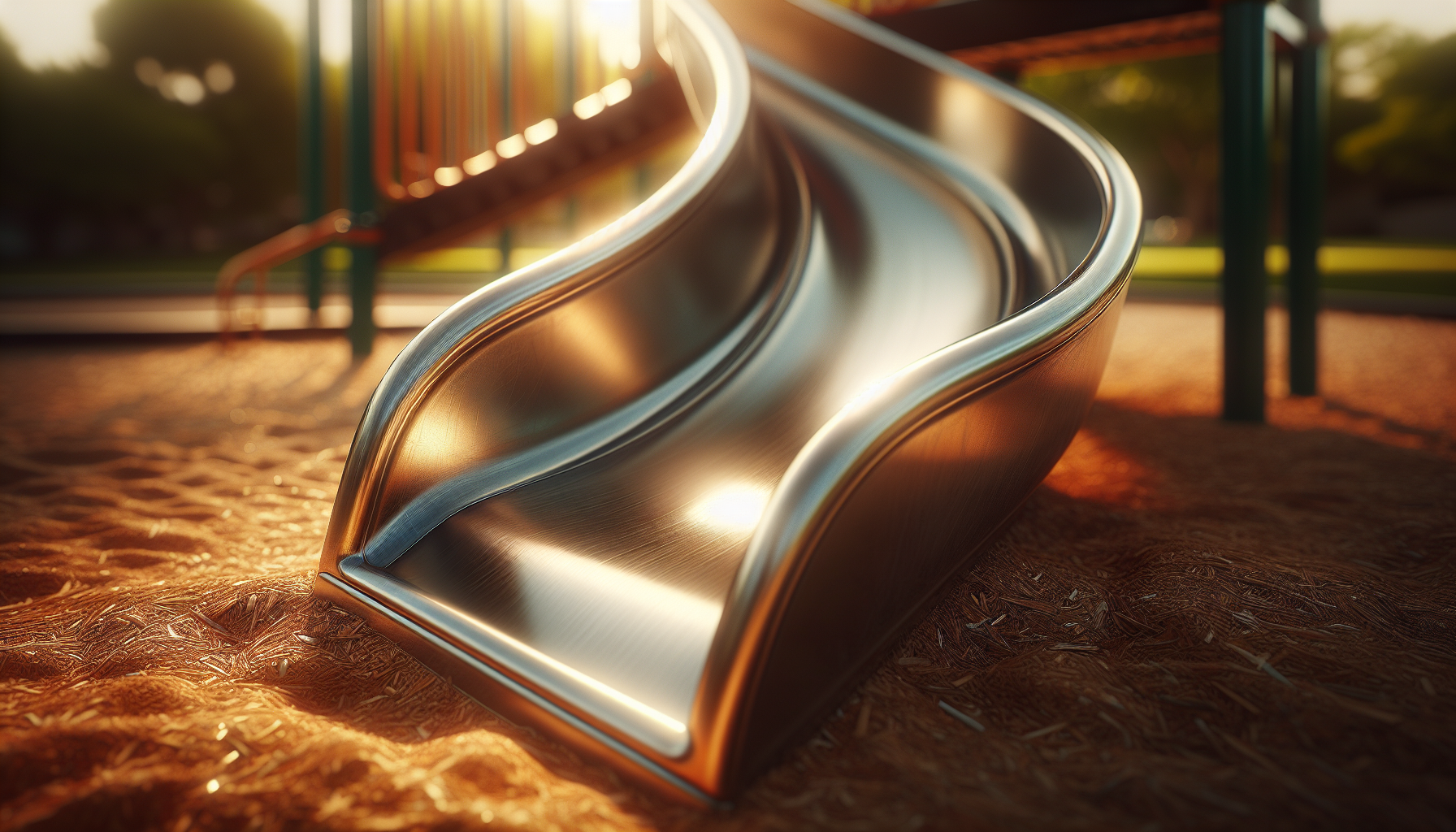

Are metal slides still something you see at playgrounds near you?

Are There Metal Slides At The Playground?
You might notice shiny surfaces or older equipment when you visit a playground and wonder whether those slides are metal. This article answers that question thoroughly and helps you understand where metal slides remain, why they were popular, what risks they carry, and how you can make playgrounds safer for your children.
A short history of metal slides
Metal slides were among the earliest manufactured playground components and became widespread in the mid-20th century. They were favored because they were strong, relatively inexpensive, and simple to fabricate in long, smooth forms that children loved to slide down.
Over time designers and safety experts shifted toward molded plastics and coated metals for several reasons, including reduced heat retention, lower injury rates, and improved flexibility in shapes and colors. Despite that shift, metal slides have not disappeared entirely and can still be found in various settings.
Early playground design and metal popularity
Early playgrounds often used wrought iron, steel, or aluminum because these metals provided the structural integrity needed for long, unsupported runs. Manufacturers could make long, continuous slide surfaces that felt fast and exciting to kids. You’ll still find some of those original slides in long-standing parks and older schoolyards.
Transition to plastics and composites
As safety standards evolved in the 1970s–1990s, molded polyethylene and fiberglass became more common because they stayed cooler in sun, resisted corrosion, and could be shaped for ergonomic safety. These materials also allowed manufacturers to integrate tunnels, curves, and safer entry/exit angles.
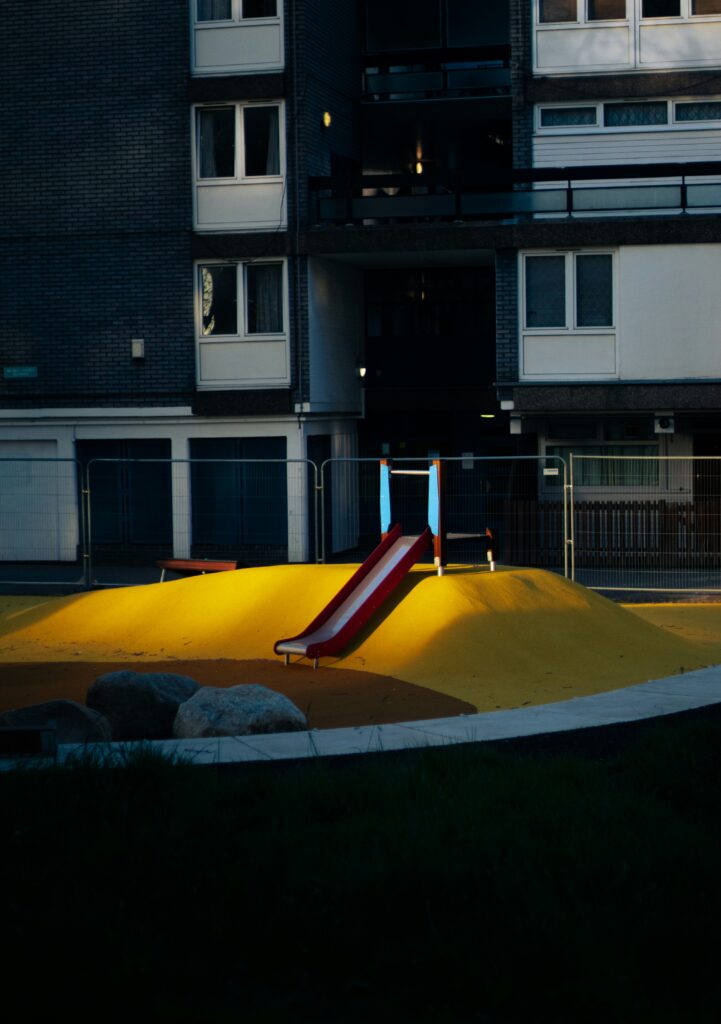

Types of metal slides you might find
If you come across a metal slide, it could be made from various metal types or combinations. Each material behaves differently in weather, maintenance needs, and safety characteristics.
Galvanized steel slides
Galvanized steel slides are common in older public and school playgrounds. The steel is coated with zinc to reduce rust, but the coating can wear over time, exposing bare steel to corrosion.
Galvanized surfaces are strong and hold up structurally well, but they can become very hot in direct sun and may develop rough spots if the galvanization degrades.
Stainless steel slides
Stainless steel slides resist rust and are sometimes used for longevity and ease of cleaning. They can be polished to a smooth finish and maintain structural strength without requiring frequent repainting.
However, stainless steel still conducts heat and can feel very hot in summer, so you’ll often see them under shade structures or in cooler climates.
Aluminum slides
Aluminum is lightweight and corrosion-resistant, making it a practical choice for certain playground components and backyard sets. It’s less likely to rust than steel but can dent more easily and still conduct heat.
Aluminum slides may be found in modular systems where ease of installation is a priority.
Where metal slides are still found
Even though plastic and composite slides are now popular, you can still encounter metal slides in several places. Knowing where to expect them helps you assess the playground before letting children play.
Public parks and older playgrounds
Municipal parks that haven’t been renovated for many years often still have original metal slides. Budget constraints mean some boroughs or districts keep older equipment until major replacements are funded.
You’ll likely find these in community parks built decades ago or in areas where maintenance cycles are longer.
Schoolyards and institutional settings
Some schools keep metal slides because they’re durable and were installed when the school was built. Schools with budget limits may repair rather than replace metal slides, particularly if they pass safety inspections.
You’ll usually see these on playgrounds where institutional maintenance teams perform regular checks but deferred replacements are common.
Backyards and private playsets
Many residential playsets use metal slides because they’re affordable and easy to install. Backyard sets often combine wooden frames with metal slides or include metal as an economical option.
If you have a private playset, you’ll have control over upgrades, coatings, and shade additions to mitigate some metal-specific concerns.
Advantages of metal slides
Metal slides do have benefits you might appreciate if you’re evaluating or maintaining playground equipment. Understanding these can help you decide whether a metal slide is acceptable for your setting.
- Durability: Metal can handle heavy, repetitive use without cracking, unlike some plastics that can fatigue or break over time.
- Structural strength: You can have longer unbroken slide runs and steeper angles with metal, giving different play experiences.
- Cost-efficiency: Initial costs for plain metal slides tend to be lower than some high-end molded plastic systems.
- Recyclability: Metals are highly recyclable, so end-of-life disposal can be more environmentally friendly than some composite materials.
Each of these advantages should be balanced against the potential safety and comfort drawbacks described below.
Disadvantages and safety concerns
Metal slides carry specific risks you should consider before letting children use them. These disadvantages are often reasons why modern playgrounds favor other materials.
Heat retention and burn risk
Metal is an excellent conductor of heat, so slides made of steel or aluminum can become dangerously hot in the sun. Surface temperatures can rise well above ambient air temperatures, increasing the risk of burns to bare skin.
You should always check the slide surface temperature during sunny days, particularly in summer and in regions with strong sunlight.
Friction and abrasion injuries
If a metal surface is rough, scratched, or damaged, it can cause cuts or abrasions. Worn coatings or rust spots are more likely to cause skin injuries during falls or while sliding.
Inspect metal slides for rough patches, loose welded seams, or exposed bolt heads that could snag clothing or skin.
Corrosion and structural degradation
Steel slides that aren’t maintained can rust, which compromises structural integrity over time. Rusted parts might break or fail during use if not addressed.
Regular inspections and timely repairs are crucial to prevent corrosion-related failures.
Noise and user comfort
Metal slides can be noisier than plastics when multiple children use them, and the surface tends to feel less forgiving if a child lands on it. This may affect the overall comfort and sensory experience during play.
If you value softer tactile experiences, you might prefer non-metal options.
Temperature risks: how hot is too hot?
Understanding how metal surfaces heat up helps you make safe decisions when playing outside. The table below gives typical approximate surface temperatures based on ambient air temperature, but remember that actual values depend on direct sunlight intensity, color, finish, and shade.
| Ambient Air Temp (°F / °C) | Typical Plastic Surface Temp | Typical Bare Metal Surface Temp | Risk Level |
|---|---|---|---|
| 60°F / 16°C | 65–75°F / 18–24°C | 65–80°F / 18–27°C | Low |
| 75°F / 24°C | 90–110°F / 32–43°C | 100–140°F / 38–60°C | Moderate |
| 90°F / 32°C | 110–140°F / 43–60°C | 150–180°F / 66–82°C | High |
| 100°F / 38°C | 130–160°F / 54–71°C | 170–210°F / 77–99°C | Very High |
These numbers are approximate; direct midday sun on dark or polished metal can push temperatures even higher. Skin burns can occur at temperatures above about 120°F (49°C) if contact is prolonged, and brief contact at higher temperatures can also cause immediate burns.
How to test a slide before use
You can quickly assess the risk by touching the slide with the back of your hand or wrist for a second. If it’s uncomfortably hot to your skin, it’s too hot for children. A simple water test—dropping water on the surface to see if it sizzles or evaporates quickly—also works.
Always err on the side of caution and avoid letting children use the slide if it feels hot.
Standards, codes, and regulations
You’ll want to ensure any metal slide complies with current safety standards and local codes. Regulatory standards exist to help minimize risks and set testing protocols that manufacturers and municipalities should follow.
Key U.S. standards and guidance
- CPSC Public Playground Safety Handbook (U.S. Consumer Product Safety Commission): Provides guidance on surfacing, equipment spacing, and design to reduce fall injuries. It doesn’t ban metal slides but recommends safe surfacing and design practices.
- ASTM F1487: Standard Consumer Safety Performance Specification for Playground Equipment for Public Use. This standard includes requirements for structural performance, openings, and entrapment hazards.
- ADA (Americans with Disabilities Act) standards: Determine accessible routes and features, which can affect slide placement and transfer platforms.
If you manage a playground, check local municipal codes as well—some jurisdictions have additional requirements about materials, coatings, or shading.
International standards
Outside the U.S., standards such as EN 1176 (Europe) and AS 4685 (Australia/New Zealand) govern playground equipment safety. These standards include performance and testing criteria similar to ASTM and CPSC guidance.
Maintenance and inspection routines
Proper maintenance keeps metal slides safe and functional. You can follow a regular inspection checklist to catch issues early and avoid severe safety problems.
Routine inspection checklist
Use this simple checklist to evaluate metal slides regularly. You can adjust frequency depending on usage and environment.
| Item to Inspect | Frequency | What to Look For |
|---|---|---|
| Surface condition | Weekly/Monthly | Scratches, sharp edges, rust spots, peeling coatings |
| Mounting and anchors | Monthly/Quarterly | Loose bolts, missing fasteners, movement at base |
| Welds and joints | Quarterly | Cracks, corrosion, separation |
| Heat indicators | Seasonally (summer) | Surface temperature checks on sunny days |
| Surrounding surfacing | Monthly | Proper impact-absorbing material and depth |
| Shade structures | Seasonally | Integrity and coverage to reduce sun exposure |
| Signage | Annually | Age-appropriate use signs and warning notices |
If you find any serious corrosion, structural cracks, or sharp protrusions, close the equipment until repairs are performed.
Repair and resurfacing options
Small rust spots can be sanded and repainted with appropriate outdoor metal paint or corrosion inhibitors. For extensive corrosion, replacement of the affected metal panels or the entire slide section might be necessary. Some owners coat metal slides with specialized anti-thermal paints or textures to reduce heat—but you must use coatings tested for playground use to avoid creating slippery conditions.
Replacing or retrofitting metal slides
If a metal slide no longer meets safety or comfort expectations, you have several replacement and retrofit options. Each option has implications for cost, longevity, and play experience.
Full replacement with molded plastic
Replacing a metal slide with a high-density polyethylene (HDPE) or similar molded plastic slide reduces heat risk and offers a variety of shapes and colors. These slides are relatively low maintenance and widely available.
Costs vary by size and configuration; for a single slide replacement you might expect several hundred to a few thousand dollars, depending on labor and materials.
Encapsulation or covering
Some operators encapsulate metal slides in a synthetic sleeve or install sunshades to reduce direct solar heating. You can also retrofit shade canopies or tree plantings to provide natural cover.
Encapsulation must preserve smoothness and drainage; improperly applied coverings can create tripping hazards or trap moisture that accelerates corrosion.
Coating and resurfacing
Applying heat-reflective coatings or textured anti-slip paints can address heat and friction issues, but you should only work with products and contractors familiar with playground standards. Coatings must be durable, non-toxic, and not increase the risk of burns by creating hot spots.
Replacement with stainless or anodized metals
If you prefer to keep metal for aesthetic or structural reasons, upgrading to stainless steel or anodized aluminum can reduce corrosion problems. Still plan for shade and safety checks due to heat conduction.
How to make a metal slide safer for your child
If you’re responsible for a playground or supervising children on a metal slide, you can take proactive steps to reduce risks.
- Check surface temperature before use. If it’s too hot for your wrist, it’s too hot for kids.
- Ensure appropriate protective surfacing (e.g., engineered wood fiber, rubber mulch, or poured-in-place rubber) beneath and around the slide.
- Add shade structures or use trees and awnings to reduce sun exposure and surface heating.
- Dress children in clothing that covers exposed skin, such as long sleeves or pants, in very hot weather.
- Supervise children and teach them correct slide behavior (sitting feet-first, no climbing up the slide).
- Report and tag out any slide with sharp, corroded, or loose parts until repairs are made.
These practical steps help you reduce the likelihood of burns, cuts, or impact injuries.
What to look for when choosing playground equipment
If you’re buying a playset or advising a community group, you’ll want to weigh several factors beyond just metal vs. plastic.
Material and finish
Look for materials tested for UV stability, corrosion resistance, and non-toxicity. Smooth finishes and rounded edges reduce the risk of cuts and snags.
If metal is chosen, check for galvanized or stainless options and confirm that coatings are intact and applied to manufacturer standards.
Age appropriateness and fall heights
Choose equipment sized for the children who will use it. Lower fall heights and appropriate slide steepness reduce injury risk.
Check manufacturer labeling for intended age range and follow spacing and surfacing recommendations.
Anchoring and foundations
Verify that slides are properly anchored and that the supporting structure meets load-bearing requirements. Improper anchoring can cause tipping or structural failure.
Ask installers for documentation that foundation and anchorage work meet local codes.
Impact-absorbing surfacing
Ensure impact-absorbing surfacing extends far enough around the slide exit and platform areas. The type and depth of surfacing should meet national standards for fall attenuation.
Regularly rake and replenish loose-fill materials like wood fiber or rubber mulch to maintain proper depth.
Common myths and misconceptions
There are a few persistent myths about metal slides. Clearing them up helps you make better decisions.
- Myth: Metal slides are always unsafe. Reality: Metal slides can be safe if they’re well-maintained, shaded, and meet standards.
- Myth: Metal slides are the fastest and most dangerous. Reality: Speed depends on slope, length, and surface friction; proper design and supervision control risks.
- Myth: Paint fixes all metal slide problems. Reality: Paint helps against rust temporarily, but structural issues, heat, and coatings must be evaluated carefully.
Understanding the facts prevents unnecessary alarm and helps you prioritize sensible upgrades.
Frequently asked questions
Below are clear answers to common questions you might have about metal slides at playgrounds.
Are metal slides banned anywhere?
In general, metal slides are not universally banned, but some jurisdictions or individual parks may prohibit or avoid them due to local climate or policy choices. Instead, many agencies prefer modern plastic or coated alternatives.
Check local guidelines if you’re managing a public playground.
Can metal slides cause permanent burns?
Yes, if a child has prolonged contact with a very hot metal surface, burns can occur. Short contact at high temperatures can also cause burns. Always check the surface temperature and use shade or barriers when needed.
How often should a metal slide be inspected?
You should perform quick visual inspections weekly or monthly depending on use, with more thorough structural inspections quarterly or annually. Perform immediate inspections after severe weather events or vandalism.
Is stainless steel safer than galvanized steel?
Stainless steel resists rust better, which helps with longevity and reduces rough corrosion-related injuries. However, it still conducts heat similarly, so heat mitigation remains important.
What surfacing works best under slides?
Engineered wood fiber, rubber mulch, and poured-in-place rubber are common choices. The right selection depends on fall height and local maintenance capacity. Ensure proper depth and coverage according to standards.
Decision guide: Should you allow metal slides?
If you’re deciding whether to allow metal slides at a particular site, consider these practical factors:
- Climate: In hot, sunny climates, metal slides present higher burn risks without proper shading.
- Maintenance budget: Metal requires regular checks for rust and structural integrity.
- Usage level: High-use public parks may wear metal faster; private backyards with controlled use may be okay.
- Age of users: Younger children may be more at risk due to thinner skin and less awareness of heat.
If one or more of these factors raises concern, consider replacing the slide or adding mitigations like shade and protective surfaces.
Maintenance cost comparison
A simple cost-comparison table helps you weigh long-term expenses. These are illustrative ranges and will vary by region, materials, and labor.
| Option | Typical Initial Cost | Typical Annual Maintenance Cost | Notes |
|---|---|---|---|
| Bare metal slide (steel) | Low–Moderate | Moderate–High (corrosion control) | Prone to rust and heat issues |
| Stainless steel slide | Moderate–High | Moderate | Better longevity, still conducts heat |
| Plastic (HDPE) slide | Moderate–High | Low–Moderate | Lower heat risk, UV fade over many years |
| Encapsulation/coating retrofit | Low–Moderate | Moderate | Cost-effective short-term fix; depends on product |
Factor in expected lifespan and replacement cycles when you budget for playground equipment.
Final summary and practical next steps
You’ll still find metal slides at many playgrounds, especially older public parks, schoolyards, and private backyard sets. They offer durability and cost advantages but come with clear concerns: heat retention, corrosion, and potential abrasion hazards.
If you manage or use a playground, take these practical steps:
- Inspect slides regularly for rust, sharp edges, and loose fasteners.
- Test surface temperature on sunny days before allowing kids to play.
- Ensure appropriate impact-absorbing surfacing and correct anchoring.
- Add shade structures or plant trees where possible to reduce heating.
- Consider replacement with plastic or upgraded metal (stainless or anodized) if long-term safety and comfort are priorities.
With attentive maintenance and sensible mitigation, metal slides can still provide safe, enjoyable play. Make your decisions based on local climate, usage intensity, budget, and the age of the children who will use the equipment, and always prioritize safe surfacing and supervision.