Can regular mulch really keep your kids safe while they play?

Can I Use Regular Mulch For A Playground?
You probably want a safe, attractive, and affordable surface for your playground. Regular decorative mulch—like the kind you buy for garden beds—might seem like an easy option, but there are important differences between landscape mulch and playground-grade surfacing. This article walks you through what “regular mulch” means, whether it’s appropriate for playgrounds, safety and accessibility considerations, installation and maintenance tips, and safer alternatives.
What this article will help you do
You’ll learn how to evaluate mulch options for safety, understand relevant standards, choose materials that meet your needs and budget, and maintain the surface so it stays safe over time.
What do people mean by “regular mulch”?
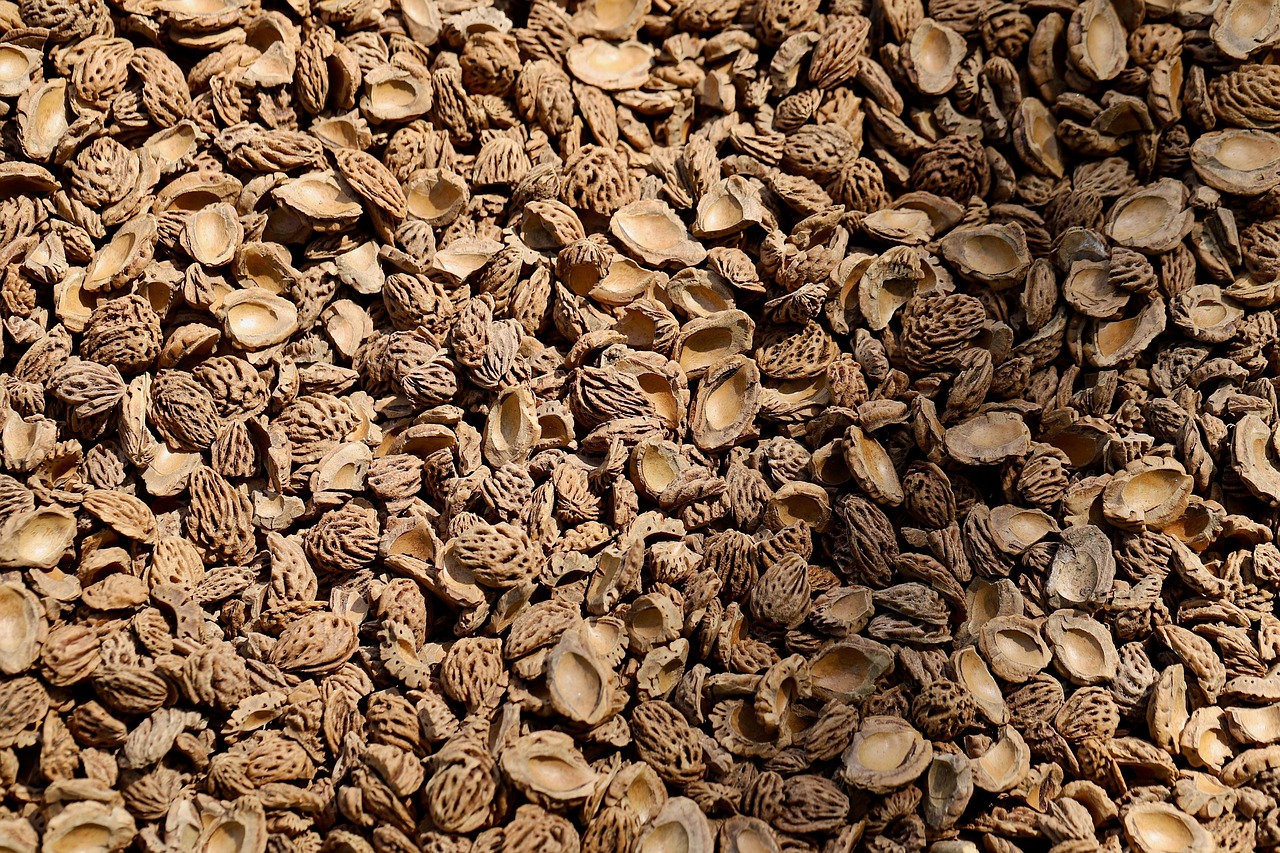
You’ll see several different products labeled as “mulch” at garden stores and landscape suppliers. Regular mulch usually refers to decorative bark, wood chips, shredded bark, colored wood mulch, or composted yard waste used to enhance planting beds and suppress weeds.
These mulches are produced with aesthetics and gardening benefits in mind—not impact attenuation, accessibility, or playground safety. That means regular mulch varies widely in particle size, composition, consistency, and contaminants.
Common types of regular mulch
You’ll encounter these common varieties:
- Bark nuggets (large, chunky pieces)
- Shredded bark or wood mulch (smaller fibrous pieces)
- Colored/dyed mulch (pigmented for appearance)
- Compost or leaf mulch (very fine, decomposed organic matter)
- Recycled wood mulch (may contain paint, glue, or contaminants)
Each one behaves differently underfoot and over time, which affects safety.

What is playground-grade surfacing?
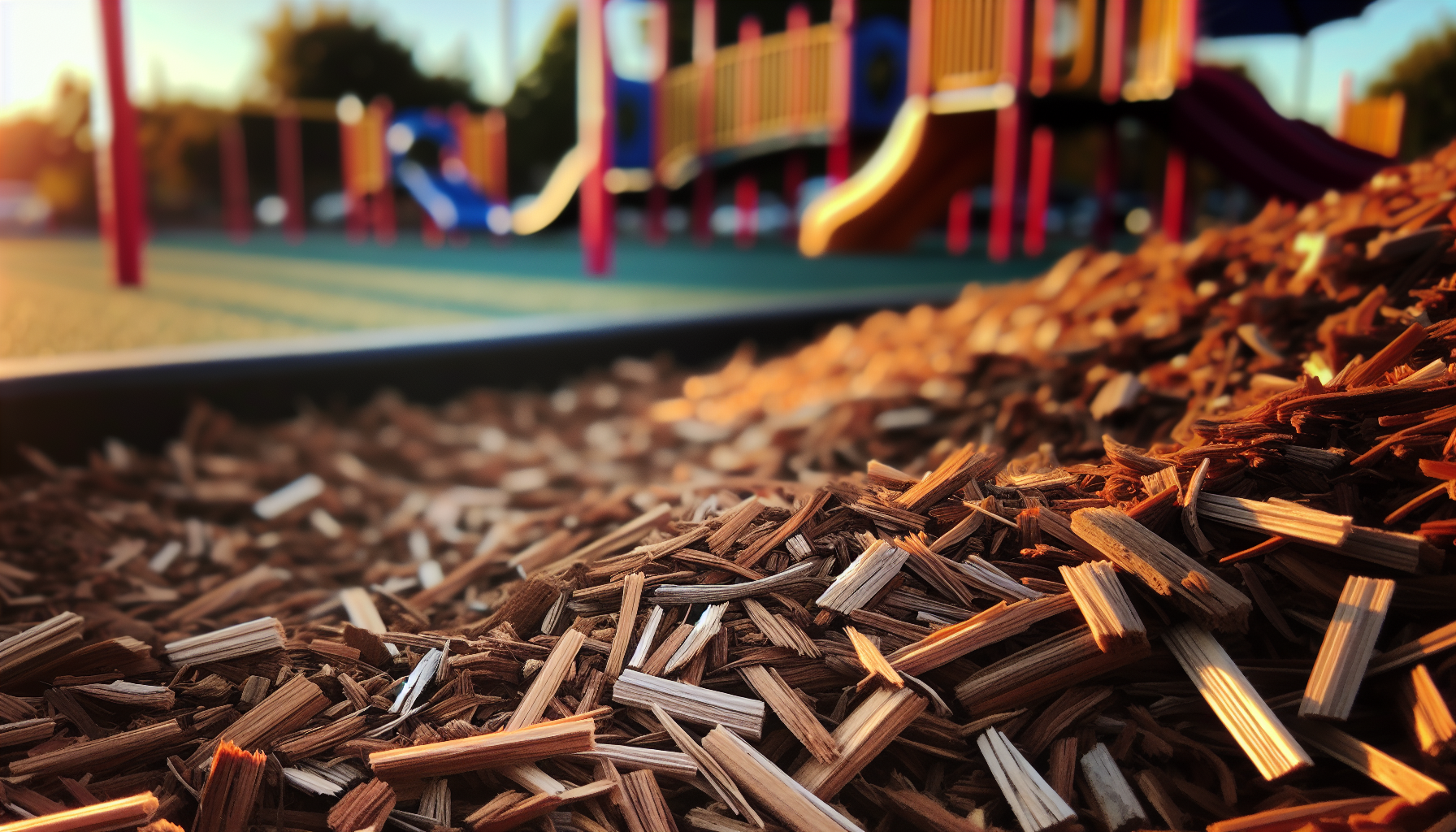
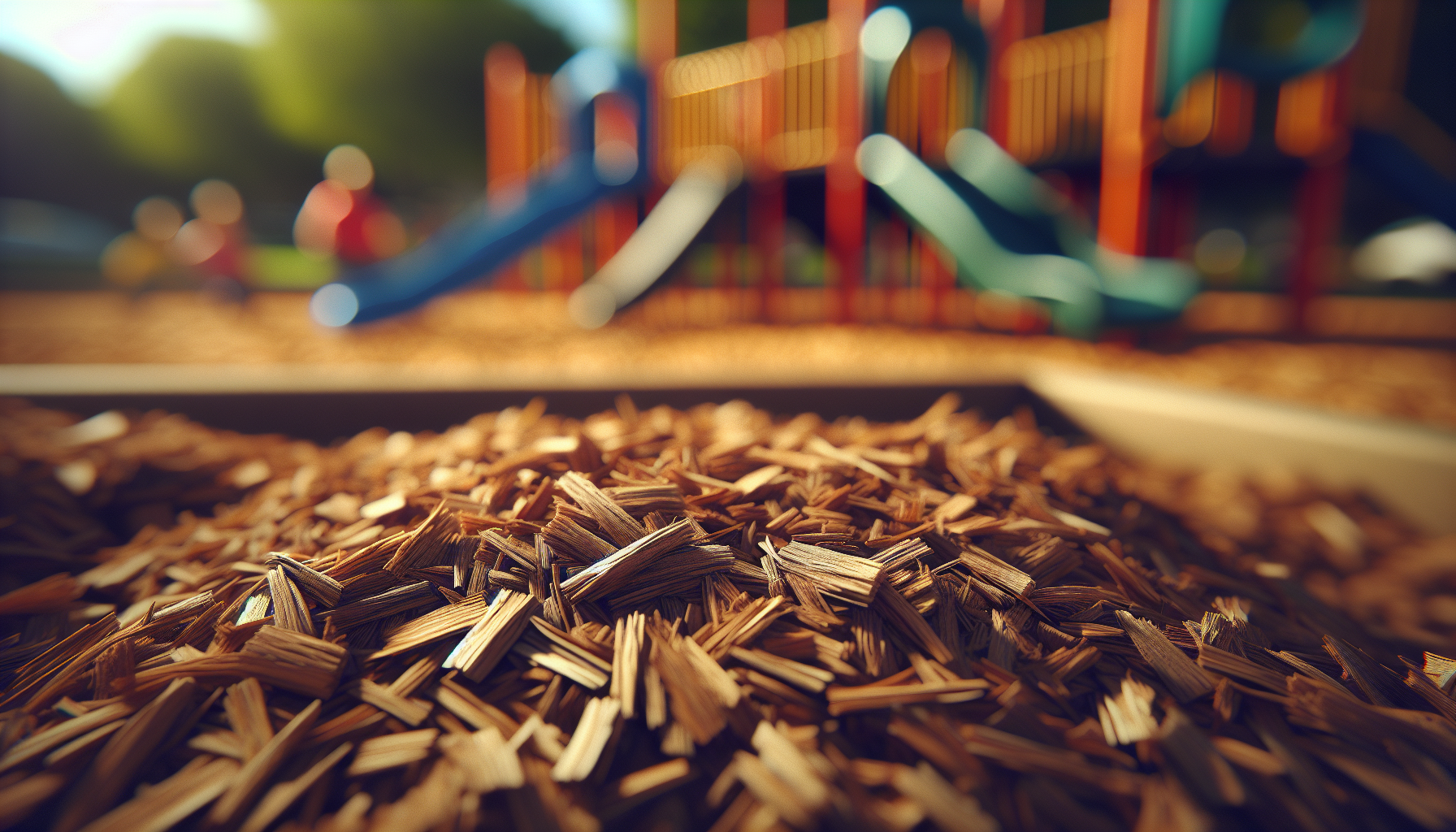
If you look for “playground mulch” or “playground wood fiber,” you’ll find products specifically manufactured to meet safety standards. Playground-grade surfaces are engineered for impact attenuation (reducing head injury risk after a fall) and often tested to meet recognized standards.
These surfacing options include:
- Engineered Wood Fiber (EWF): manufactured to consistent size, shape, and density for tested impact performance.
- Rubber mulch (recycled rubber pieces): engineered for impact attenuation and durability.
- Poured-in-place rubber or rubber tiles: firm, accessible, and tested for impact.
- Sand or pea gravel (with limitations for accessibility and small children).
You’ll want surfacing that’s certified or tested to meet performance standards rather than improvised materials.
Safety standards and regulations you should know
You’ll want to follow recognized safety guidance. These documents provide performance criteria, not just recommendations.
- CPSC Public Playground Safety Handbook (U.S.): Offers guidance on surfacing types, depths, and maintenance; widely used by homeowners and municipalities.
- ASTM F1292: Standard Test Method for Impact Attenuation of Surface Systems Under and Around Playground Equipment — assesses how well a surface reduces head injury risk from falls.
- ASTM F2075: Standard Specification for Engineered Wood Fiber for Use as a Playground Safety Surface Under and Around Playground Equipment — sets requirements for EWF.
- ASTM F1951: Standard Specification for Determination of Accessibility of Surface Systems Under and Around Playground Equipment — tests wheelchair accessibility.
You should check local regulations and building codes as well, since playgrounds on public property or commercial settings often must meet specific legal standards.

Can you use regular mulch for a playground? Short answer
You can use some wood-based materials, but not all regular mulch is appropriate. Decorative mulch bought for gardens is often inconsistent and not tested or manufactured for impact attenuation. For a home playground where safety is a priority, you should use playground-grade materials—engineered wood fiber or rubber—rather than untreated landscape mulch.
If you still consider regular mulch, you must understand the risks, install much greater depths (and still may not meet standards), and accept higher maintenance and inspection requirements.
Why regular mulch is often not suitable
Regular landscape mulch presents several safety and performance concerns:
- Inconsistent particle size and compaction: Decorative mulches can compact and create hard spots that reduce impact absorption.
- Depth loss and displacement: Foot traffic and weather rapidly move and thin mulch, reducing protective depth.
- Contaminants: Recycled mulch may contain foreign objects, painted wood, or chemical residues (dyes, treated wood).
- Splinters and sharp pieces: Larger bark nuggets or coarse chips can cause cuts or trip hazards.
- Accessibility problems: Loose, inconsistent mulch is not firm or stable for wheelchairs or strollers, which may violate ADA guidelines in public settings.
- Fire hazard: Some shredded mulches may ignite more readily than engineered products.
- Biological hazards: Mold, insects, or decayed material can be present in landscape mulch.
You’ll probably find playground-grade products address most of these issues by design and testing.
How playground surfacing protects against falls
The goal of impact-attenuating surfacing is to reduce the severity of head injuries and other trauma from falls. Key concepts you should know:
- Critical Fall Height (CFH): The maximum fall height that a surface can safely protect for a given impact criteria (measured during testing).
- Depth: Loose-fill materials require minimum depths to achieve a target CFH.
- Compaction and displacement: Play activity and weather reduce depth and effectiveness; ongoing maintenance is needed.
Playground-grade materials come with tested CFH ratings and recommended installation depths that you should follow.
Approximate loose-fill depth guidance (general guidelines)
Below is a general guide to typical recommended depths for common loose-fill materials at small playgrounds. Treat these as starting points—always follow manufacturer guidance and testing.
| Material | Typical minimum depth for moderate fall protection (approx.) | Notes |
|---|---|---|
| Engineered Wood Fiber (EWF) | 6–12 inches depending on fall height | Manufactured to ASTM F2075; consistent performance |
| Wood chips (decorative) | 9–12+ inches (not reliable) | Larger nuggets often roll and create compaction; inconsistent |
| Shredded bark mulch | 9–12+ inches (variable) | Decomposes and compacts; may not meet ASTM tests |
| Sand | 9–12 inches | Good impact but compacts and is not wheelchair accessible |
| Pea gravel | 9–12 inches | Poor for small children, studs shoes; not suitable for accessibility |
| Rubber mulch | 6–12 inches | Engineered for CFH; durable and resists compaction |
These depths are approximate. The only reliable method to ensure safety is to use products tested per ASTM standards and maintain required depths over time.
Comparing regular mulch vs playground-grade mulch
A clear comparison helps you decide what’s right for your space.
| Feature | Regular landscape mulch | Engineered playground mulch (EWF) |
|---|---|---|
| Particle consistency | Variable (nuggets, shredded, mixed) | Uniform, designed for impact attenuation |
| Tested for impact | Rarely | Usually tested to ASTM F1292 / F2075 |
| Accessibility | Not accessible | May be tested for ASTM F1951 accessibility with binder |
| Contaminants | Possible (dye, treated wood) | Manufactured with specifications; less contamination |
| Maintenance needs | High (displacement, decomposition) | Moderate to high (still needs replenishment) |
| Cost | Low initial cost | Moderate initial cost |
| Lifespan | Shorter (decomposes) | Longer (designed for playgrounds) |
You’ll typically pay more up-front for playground-grade material, but it can be safer and more cost-effective long-term when you account for maintenance and liability.
Legal and liability considerations
You’ll want to consider liability, especially if your playground is public or you host other families.
- Public or commercial playgrounds: Often required to meet specific standards and be inspected regularly. Failure to use compliant surfacing can increase liability.
- Home playgrounds: You still bear responsibility for safety if someone is injured. Using certified products and documenting maintenance reduces risk.
- Insurance: Some insurers may require certain surfacing standards for coverage or may affect premiums.
Check local ordinances, school district rules, homeowners association policies, and your insurance requirements before choosing surfacing.
Health and environmental issues to consider
You’ll want to balance safety and environmental impact.
- Treated wood: Avoid mulch made from pressure-treated wood or materials that contain preservatives or heavy metals.
- Dyes and pigments: Some colored mulches use pigments that can fade or leach; check for non-toxic dyes.
- Mold and allergens: Wet, composted mulches can harbor mold and fungal spores that may affect children with allergies.
- Rubber concerns: Crumb rubber has raised questions about chemical exposure; look for certified, low-emission rubber products if you go that route.
- Composting and biodegradation: Organic mulches break down and require more frequent replacement, though they are biodegradable.
You should source mulch from reputable suppliers and ask about testing data and material content.
Choosing the right surface for your needs
When making a decision, ask yourself:
- Who will use the playground (toddlers, school-age kids, mixed ages)?
- Is the playground public or private?
- What is your budget for initial installation and ongoing maintenance?
- Do you need ADA-accessible surfacing?
- How much time will you commit to regular inspections and topping up material?
- What are local weather conditions (heavy rain, freeze-thaw)?
Answering these questions helps you choose between EWF, rubber, poured-in-place, tiles, or other options.
Quick decision guide
- For public/commercial playgrounds: Use tested, certified playground-grade surfacing that meets ASTM F1292 and any local rules.
- For private backyards with high safety priority: Engineered wood fiber or rubber products are safer than garden mulch.
- For ornamental areas or low-risk landscape: Regular mulch is fine—but not recommended under play equipment.
Installation best practices if you use loose-fill surfacing
You’ll increase the safety and longevity of loose-fill surfaces by following proper installation steps.
- Prepare the site: Remove existing vegetation and level the area. Install appropriate drainage if needed.
- Containment and edging: Use edging to keep loose-fill inside the play area and prevent migration to surrounding areas.
- Geotextile fabric (optional): A permeable fabric helps slow weed growth while allowing drainage; avoid impermeable liners that hold water.
- Add specified base: Some installations use a compacted base layer for drainage under rubber systems; follow manufacturer guidance.
- Install to required depth: Measure depth across the surface and ensure minimum depths for the desired CFH.
- Compact lightly where recommended: Some products require light compaction; others should remain loose to absorb impact.
- Finish and document: Record depths, product type, and date of installation for future maintenance tracking.
Always follow product instructions and test results when available.
Maintenance checklist you should follow
Regular inspection and upkeep are essential to keep the surface safe.
- Daily/weekly: Check for hazards (broken glass, sharp objects, animal waste) and remove immediately.
- Monthly: Rake loose-fill to redistribute material and check for low spots under swings and slides.
- Quarterly: Measure depth across the play area. Replenish material where depth has fallen below required levels.
- Annually: Deep clean, replace heavily soiled or decomposed areas, and perform a full safety audit.
- After major storms or heavy use: Inspect and replenish as needed.
Keep a maintenance log so you can show due diligence if questions arise later.
How to measure and test safety performance
You’ll want to verify that your chosen surface meets required impact attenuation.
- Depth checks: Measure loose-fill depth at regular intervals and normal activity points (under swings, climbing structures).
- In-situ testing: Hire a certified lab or inspector to perform ASTM F1292 impact attenuation tests if you need formal certification.
- Accessibility testing: For ADA concerns, test per ASTM F1951 or use a surface labeled as accessible.
Simple tools like a depth gauge and a straightedge can help you monitor loose-fill depth yourself.
Cost considerations: initial and long-term
You’ll balance budget with safety and maintenance.
- Initial costs: Decorative mulch is cheapest up-front. Engineered wood fiber and rubber products cost more initially.
- Maintenance costs: Regular mulch decomposes faster and needs frequent replacement—raising long-term costs.
- Lifespan: Rubber and poured-in-place surfaces last longer and may cost less over time despite higher initial expense.
Factor in replacement rates, frequency of topping up, and labor when comparing costs.
Environmental and sourcing tips
You’ll want to get safe, sustainable materials.
- Ask suppliers for material specifications and any test certifications (ASTM).
- Avoid mulch products made from painted, treated, or mixed wood waste.
- Look for certified low-emission rubber products if considering rubber mulch.
- Consider local suppliers to reduce transportation footprint and ensure traceability.
Sourcing from reputable vendors reduces the chance you’ll receive contaminated or inconsistent material.
Alternative surfacing options you should consider
If regular mulch seems risky, these alternatives may offer better safety and lower maintenance:
- Engineered Wood Fiber (EWF): Good impact performance, natural look, biodegradable but longer-lasting than landscape mulch.
- Poured-in-place rubber: Firm, accessible, low maintenance, and available in many colors and designs.
- Rubber tiles: Durable, accessible, and replaceable; often used in school or public settings.
- Artificial turf with shock pad: Looks like grass and can be engineered for fall protection and accessibility.
- Sand or pea gravel: Affordable, but problematic for accessibility and small children.
Each option has trade-offs for cost, maintenance, drainage, and accessibility.
Installing playground equipment over existing landscape mulch — what to do
If you already have landscape mulch and want to add equipment, follow these steps:
- Remove decorative mulch under and around the proposed equipment area.
- Bring in an appropriate base and surfacing material (EWF or approved material) to the required depth.
- Install edging/containment and ensure drainage.
- Maintain a strict inspection schedule to keep the surface compliant.
Simply leaving landscape mulch in place is not a good option for an equipment area.
Common mistakes you should avoid
You’ll avoid common pitfalls by being aware of them:
- Using decorative mulch under equipment without proper depth or testing.
- Failing to contain loose-fill material, causing displacement into pathways and around equipment.
- Ignoring accessibility requirements when the playground will be used by the public.
- Overlooking contaminants in recycled mulch.
- Skipping regular maintenance and depth checks.
Address these mistakes proactively to reduce risk.
Sample installation and maintenance checklist (table)
This checklist helps you manage installation and ongoing upkeep.
| Task | When to do it | Notes |
|---|---|---|
| Site prep | Before installation | Remove vegetation, level, provide drainage |
| Install containment/edging | During installation | Prevents migration |
| Lay geotextile fabric | Optional | Use permeable fabric only |
| Install surfacing to depth | At installation | Follow product/test requirements |
| Document installation | After installation | Record product, depth, date, installer |
| Weekly visual inspection | Ongoing | Remove hazards and debris |
| Monthly depth check | Monthly | Measure and note low spots |
| Replenish loose-fill | As needed | Top-up to required depth |
| Annual full audit | Annually | Consider professional testing |
| Post-storm inspection | After storms | Check for displacement and contamination |
Frequently asked questions you might have
Q: Can I use dyed mulch for a playground? A: You should avoid dyed decorative mulch for playgrounds. Dyes may not be tested for exposure, and dyed mulch often uses recycled wood that could contain contaminants.
Q: How deep should mulch be under a swing set? A: Depth requirements vary by material and fall height. For engineered wood fiber, typical guidance ranges from 6–12 inches depending on equipment height. Always follow product specifications and measure depth regularly.
Q: Is rubber mulch safer than wood mulch? A: Rubber mulch can offer better long-term resilience and consistent impact attenuation, and it’s less prone to compaction and decomposition. Evaluate emissions and source quality, and consider ADA accessibility needs.
Q: How often do I need to top up loose-fill surfacing? A: Expect replenishment every 6–12 months in active areas; high-use areas may require topping up more frequently.
Q: Are there quick tests I can do at home? A: Regular depth measurements and visual inspections are the most practical. For official safety certification, use professional testing for ASTM standards.
Final recommendations you can act on now
- Don’t assume garden/landscape mulch is adequate under playground equipment—use playground-grade materials whenever safety matters.
- If a tight budget forces a temporary solution, isolate the play equipment area and use extra depth while you schedule a proper installation—but treat this as temporary only.
- Prioritize engineered wood fiber (EWF) or rubber products for active play areas, and follow tested installation depths.
- Keep a maintenance log and inspect the surface frequently for depth, contamination, and displacement.
- Consult local codes, your insurance agent, and professional installers for public or commercial playgrounds.
Conclusion
You want a safe, durable, and attractive playground surface. Regular decorative mulch often fails to provide consistent impact protection, accessibility, and long-term performance. Choosing a playground-grade surface—engineered wood fiber, rubber mulch, poured-in-place rubber, or tiles—gives you documented performance and reduced liability. If you must use loose-fill materials, select products tested for playground use and commit to the maintenance they require.
If you’d like, you can tell me about your specific playground setup (size, intended users, climate, and budget) and I’ll help you compare options and estimate required materials and costs.