
Have you ever wondered why so many playgrounds are choosing rubber mulch instead of traditional materials?

What Are The Benefits Of Rubber Mulch For Playgrounds?
You’re likely looking for safe, long-lasting, and attractive surfacing for a playground you manage or plan to install. This article explains the benefits of rubber mulch for playgrounds and helps you determine whether it suits your needs.
What is rubber mulch?
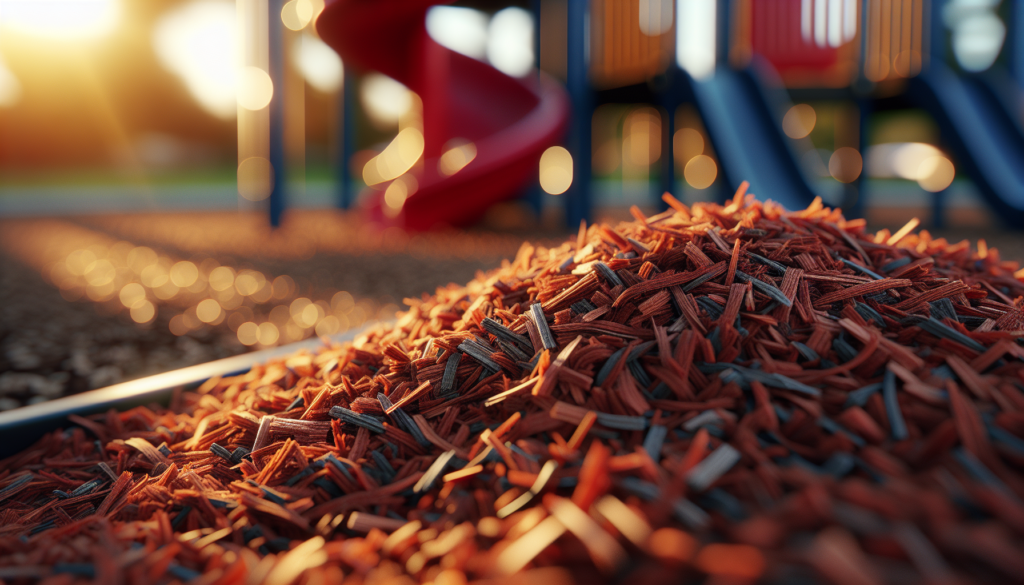
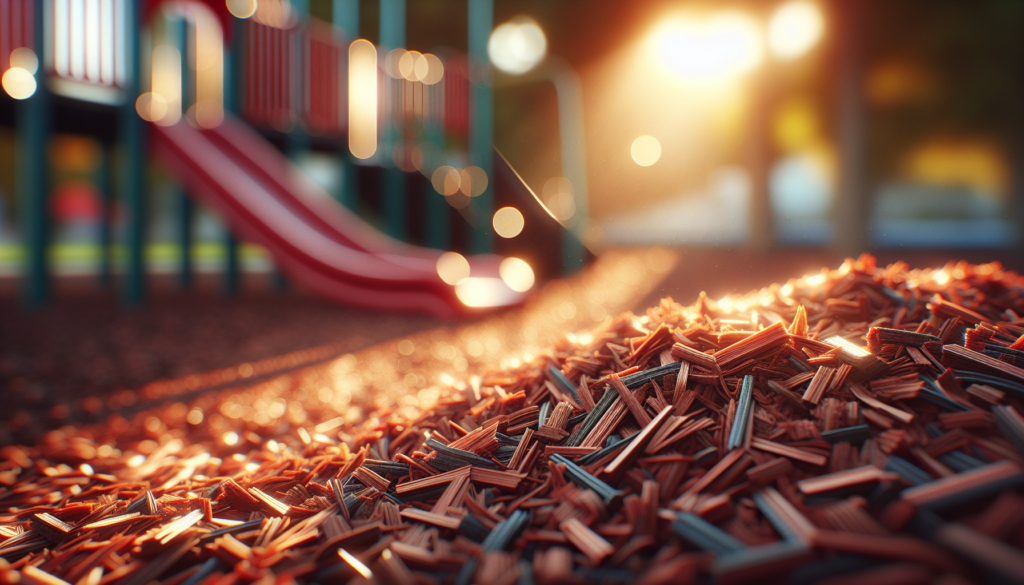
Rubber mulch is shredded or poured rubber made from recycled tires or virgin rubber that’s designed for use as ground cover. You’ll find it in loose nugget form or as poured-in-place surfacing, and it’s engineered to provide cushioning and durability.
How rubber mulch is made
Most rubber mulch is produced from post-consumer tires that are cleaned, shredded, and processed into consistent granules or nuggets. You’ll also find products made from virgin synthetic rubber; these tend to be more uniform but typically cost more.
Safety Benefits
You want a playground surface that protects children from injuries during falls and rough play. Rubber mulch is widely used for its shock-absorbing qualities and ability to meet safety standards.
Impact attenuation and fall protection
Rubber mulch is designed to reduce the force transmitted to a child who falls from playground equipment. The cushioning properties can help prevent serious injuries by absorbing impact energy and reducing peak forces.
Compliance with safety standards
Many rubber mulch installations are engineered to meet ASTM F1292 and related safety standards for impact attenuation. When you select a certified product and install it at the recommended depth, it’s easier to achieve compliance with local regulations.
How to achieve proper fall height protection
Proper depth and compaction are critical for safety performance, so you’ll need to follow the manufacturer’s guidelines. Maintaining recommended depths through regular topping up will help you retain the protective qualities over time.

Accessibility and ADA Considerations
You likely need your playground to be accessible to children and adults with mobility aids. Rubber mulch can be designed to meet ADA requirements when installed correctly.
Wheelchair accessibility
Loose rubber mulch can be made into stabilized systems or combined with containment edging to create accessible routes. Poured-in-place rubber surfacing is naturally ADA-compliant and provides continuous, firm, and stable paths for wheelchairs and strollers.
Surface firmness and stability
If you choose loose rubber mulch, you can select binder-stabilized or engineered systems that resist displacement. This ensures smoother movement for mobility devices while retaining cushioning for fall zones.
Durability and Lifespan
You want a surface that looks good and performs well for many years without frequent replacement. Rubber mulch offers long-term durability compared with many organic alternatives.
Resistance to decomposition and pests
Unlike wood mulch, rubber doesn’t rot, decompose, or foster termite infestations. You’ll find it more resistant to mold and insect activity, which reduces the need for frequent replacement and pest control.
Longevity and cost-effectiveness
Rubber mulch can last many years — often 5 to 10+ years for loose rubber and even longer for poured-in-place systems — depending on traffic and maintenance. Although initial costs may be higher than organic mulch, the reduced replacement frequency often makes it more economical over the product lifecycle.
Maintenance Requirements
You’ll want to understand ongoing tasks and what they’ll cost in time and money. Rubber mulch requires routine maintenance, but generally less than organic alternatives.
Routine inspection and topping up
Regularly inspect for displaced material, compaction, and contamination. You’ll need to top up loose rubber mulch occasionally to maintain protective depths and to redistribute uneven areas.
Cleaning and drainage care
Rubber mulch resists staining and can be rinsed or vacuumed to remove debris and spills. Because it drains well, you’ll typically have fewer puddles, but keeping drainage channels and surrounding landscaping clear remains important.
Maintenance schedule example
A simple schedule helps you stay on top of maintenance tasks and prolong the surface life. The table below offers a suggested routine you can adapt to your site’s needs.
| Task | Frequency | Purpose |
|---|---|---|
| Visual inspection for displacement and hazards | Weekly | Identify trip hazards and areas needing redistribution |
| Redistribution and compaction check | Monthly | Maintain protective depths and even surface |
| Topping up material | Annually or as needed | Restore impact attenuation and appearance |
| Debris removal (leaves, trash) | Weekly to monthly | Prevent organic buildup and drainage clogging |
| Deep cleaning (pressure wash or vacuum) | Annually | Remove stubborn dirt and stains |
| Drainage inspection | Semi-annually | Ensure proper water runoff and avoid pooling |
Drainage and Weather Performance
You’re likely concerned about how the playground will handle rain, sun, and seasonal changes. Rubber mulch generally performs well under varying weather conditions.
Permeability and water runoff
Loose rubber mulch is permeable and allows water to drain through to the soil beneath. Poured-in-place systems typically include a permeable layer or drainage design to move water away from play areas.
Resistance to freeze-thaw cycles
Rubber mulch resists damage from freeze-thaw cycles better than many rigid surfaces. It won’t crack like asphalt or concrete, though you’ll still want to monitor for displacement after severe weather or heavy use.
Environmental Considerations
You likely care about environmental impact, both in terms of materials and long-term effects. Rubber mulch has environmental advantages and a few considerations you should weigh.
Use of recycled materials
Rubber mulch often repurposes used tires, keeping them out of landfills and reducing waste. This reuse helps conserve raw materials and reduces the demand for virgin rubber products.
Concerns about leachates and volatile compounds
Some users worry about chemicals that may leach from recycled rubber into soil or water. Research shows mixed results depending on product type and local conditions. If you’re concerned, consider products certified for low emissions or choose engineered systems with containment layers.
Heat island effect and surface temperature
Rubber can retain heat under direct sun, making the surface warmer than wood mulch or sand. You can mitigate this by selecting lighter-colored rubber, providing shade, or using cooling surfacing technologies.
Health and Hygiene
You want a safe play environment for children with minimal health risks. Rubber mulch has features that address several hygiene-related concerns.
Resistance to bacteria and fungi
Rubber mulch doesn’t support microbial growth as readily as organic mulch. This reduces odors and the likelihood of bacterial or fungal accumulation that can happen in decaying wood chips.
Allergen considerations
Because rubber is inorganic, it doesn’t carry the same pollen or biological allergens you might find in natural wood mulch. If you’re managing a facility used by children with allergies, rubber can be a helpful choice.
Aesthetics and Customization
You want the playground to look inviting, match branding, or coordinate with landscaping. Rubber mulch gives you flexible design options.
Color choices and visual appeal
Rubber mulch is available in a wide range of colors and shades, including blended options that mimic natural textures. You can create patterns, safety markings, or themed play areas using different colors.
Landscape integration and edging
You can combine rubber mulch with planters, turf, or hardscaping to create visually appealing play zones. Containment edging helps preserve the look and prevents spread into undesired areas.
Installation Options and Costs
You’ll need to balance budget, performance, and timeline when deciding how to install your playground surfacing. Rubber mulch offers a range of options to fit different projects.
Loose rubber mulch vs. poured-in-place systems
Loose rubber mulch is installed like traditional loose mulch and is often less expensive initially. Poured-in-place rubber creates a continuous, accessible surface with higher upfront costs but reduced maintenance and superior accessibility.
Typical cost ranges
Costs vary with product type, installation complexity, and region, but a basic comparison helps you plan. The table below shows approximate cost ranges to help you compare options; use local quotes for precise budgeting.
| Surface Type | Typical Initial Cost per sq ft (USD) | Typical Lifespan |
|---|---|---|
| Loose recycled rubber mulch | $2.00 – $5.00 | 5 – 10 years |
| Poured-in-place rubber | $8.00 – $20.00 | 10 – 20+ years |
| Engineered wood mulch | $1.00 – $3.00 | 1 – 3 years |
| Sand or pea gravel | $0.50 – $2.00 | 1 – 5 years |
| Synthetic turf with padding | $6.00 – $15.00 | 8 – 15 years |
Installation time and site prep
Proper site grading, base preparation, drainage, and edging are essential for performance. Installation time depends on the surfacing type — loose rubber is typically faster, while poured systems require curing time and experienced installers.
Cost-Benefit Analysis
You’re likely comparing upfront costs with long-term savings and safety benefits. Rubber mulch often provides a favorable balance when you include lifecycle and maintenance factors.
Upfront price vs. lifecycle costs
While rubber surfacing can cost more initially than wood chips or sand, you’ll save on replacement, reduced waste removal, and lower labor costs over time. Factor in safety benefits and potential liability reduction when calculating total value.
Example financial comparison
A multi-year view illustrates the potential savings you can expect. The table below gives a hypothetical example over a 10-year period (note: adjust with local figures and specific product warranties).
| Item | Loose Rubber Mulch | Wood Mulch |
|---|---|---|
| Initial cost (installation) | $10,000 | $4,000 |
| Annual maintenance (topping up, redistribution) | $400 | $1,200 |
| Replacement cycle | 8-10 years | 2-3 years |
| 10-year total estimate | $14,000 | $16,000 |
Fire Safety
Safety is central to your playground’s design, and fire risk can be a valid concern. Rubber mulch has specific characteristics to consider.
Flammability and flame retardance
Rubber mulch can ignite if exposed to flame, but many commercial products include flame-retardant additives to reduce that risk. You’ll want to verify product specifications and local fire codes before installation.
Safe practices to reduce fire risk
Maintaining a clear zone around potential ignition sources and restricting open flames or smoking near the play area will reduce risk. Regularly removing combustible debris such as leaves and litter is also important.
Heat Management Strategies
If you’re in a hot climate, surface temperature matters for comfort and safety. Rubber mulch tends to absorb heat, but you have ways to limit surface temperature increases.
Shade structures and landscaping
Providing shade through trees, shade sails, or built structures lowers surface temperature significantly. You’ll want to combine shade with appropriate surfacing colors to reduce heat buildup.
Light-colored rubber and cooling additives
Lighter-colored rubber mulch reflects more sunlight and stays cooler than dark rubber. Some manufacturers offer cooling additives or formulations designed to reduce heat retention.
Comparing Rubber Mulch to Other Surfaces
You need a clear comparison against common alternatives to make an informed choice. The table below summarizes the strengths and weaknesses of rubber mulch versus other popular surfaces.
| Feature | Rubber Mulch (Loose) | Poured Rubber | Wood Mulch | Sand/Pea Gravel | Turf with padding |
|---|---|---|---|---|---|
| Impact attenuation | Good | Excellent | Fair | Poor to fair | Excellent |
| Accessibility | Moderate (stabilized option) | Excellent | Poor | Poor | Excellent |
| Maintenance | Moderate | Low | High | Moderate | Moderate |
| Durability | High | Very high | Low | Low to moderate | High |
| Cost (initial) | Moderate | High | Low | Low | High |
| Drainage | Good | Engineered | Good | Excellent | Good |
| Heat retention | Moderate/high | Moderate/high | Low | Low | Moderate |
| Environmental benefit (recycled content) | High | Varies | Moderate (renewable) | Low | Varies |
Regulations and Certifications
You want assurance that the product meets safety and environmental standards. Many rubber mulch products are tested and certified to provide that confidence.
Common certifications to look for
Check for compliance with ASTM F1292 (impact attenuation), ASTM F1951 (accessibility), and any local playground safety guidelines. Some products also have environmental certifications for recycled content or low emissions.
What the certifications mean for you
Certifications help you verify that the surfacing will perform as intended and satisfy regulatory or insurance requirements. Be sure contractors provide documentation showing the installed system meets the relevant standards.
Installation Best Practices
Proper installation is a key factor in performance and longevity; you’ll want to follow best practices to get the most from your investment.
Site preparation and base layers
A well-graded base with appropriate drainage and containment edging prevents displacement and pooling. For poured systems, ensure a stable subbase and proper curing; for loose mulch, compact sub-layers and install weed barriers if recommended.
Edge containment and transitions
Secure, well-designed borders prevent material migration and maintain clean transitions to adjacent surfaces. Consider concrete or metal edging for high-traffic zones and rubber or landscape timber for softer aesthetics.
Hiring installers and warranties
Work with experienced installers who understand local codes and manufacturer installation guidelines. Review warranty terms for materials and workmanship so you know what’s covered and for how long.
Common Concerns and Misconceptions
You may have questions about safety, toxicity, or practicality — many common concerns have straightforward answers.
Are recycled rubber mulches toxic?
Most research shows that properly processed rubber mulch poses low risk in typical playground use, though studies vary. If you’re concerned, look for products tested for low emissions, or choose virgin rubber or certified low-VOC options.
Will rubber mulch attract pests or mold?
Rubber mulch doesn’t provide a food source for pests and resists rot and mold better than organic mulches. Proper drainage and routine cleaning reduce any residual mold or mildew issues.
What about staining or surface odors?
High-quality rubber mulch has minimal odor after initial installation and is resistant to staining. Periodic cleaning helps keep the surface fresh, and UV-stable pigments reduce color fading.
Choosing the Right Product for Your Site
You’ll want to evaluate your priorities — safety, budget, accessibility, aesthetics — when selecting rubber mulch.
Questions to ask manufacturers
Ask for ASTM and ADA compliance documentation, material composition, UV stability, warranty details, and installation practices. Inquire about recycled content percentages and any certifications that address emissions or leachates.
How to evaluate samples and references
Request product samples and visit local installations if possible to see real-world performance. Talk to other facility managers about maintenance costs and durability challenges.
Lifecycle and End-Of-Life Considerations
You care about what happens to materials at the end of their useful life. Rubber mulch has strong recycling advantages if managed correctly.
Recycling and disposal
Because many products are made of recycled tires, some manufacturers accept old rubber surfacing for reprocessing. If recycling isn’t available locally, rubber mulch can often be used in secondary applications like landscape grade fill or energy recovery in certain facilities.
Long-term sustainability
Choosing recycled rubber reduces landfill waste and the demand for virgin materials. When you select products with certifications for recycled content and low emissions, you’re making a more sustainable choice.
Frequently Asked Questions
You’ll probably have specific practical questions about everyday use, safety, and costs. Here are clear answers to common queries.
How deep should rubber mulch be for playground safety?
For loose rubber mulch, typical depths range from 6 to 12 inches depending on fall height and product specifications. Always follow the manufacturer’s impact attenuation guidelines and local codes to determine exact depth.
Can rubber mulch be used under all types of playground equipment?
Yes, rubber mulch is suitable under most equipment, but high-use entry points may require additional stabilization. You’ll want to assess erosion points, swings, and slides where displacement is more likely.
Does rubber mulch smell or off-gas?
New rubber mulch may have a mild rubber smell that dissipates over time; high-quality products tested for low VOCs present minimal off-gassing. Adequate outdoor ventilation and product selection reduce noticeable odors.
Practical Tips for Care and Long-Term Success
You want straightforward steps to keep your playground safe, attractive, and durable. Following a few simple practices will extend the life and performance of rubber mulch.
Keep a regular inspection log
Document inspections, maintenance actions, and material quantities added. This helps you plan budgets and identify recurring problem areas before they become bigger issues.
Address hot spots and displacement quickly
After heavy use or storms, redistribute material and refill low spots to maintain safe depths. Prompt attention prevents compaction and reduces wear.
Educate staff and users
Inform staff and caregivers about appropriate footwear, food disposal, and smoking policies to preserve surface integrity and minimize hazards. Clear signage about safety rules helps you manage behavior that could damage surfacing.
Conclusion
You now have a comprehensive overview of the benefits and considerations for rubber mulch in playgrounds. If your priorities include improved impact protection, reduced long-term maintenance, and use of recycled materials, rubber mulch can be an excellent option — provided you select the right product and follow proper installation and maintenance practices.
If you’d like, you can tell me about your specific playground size, budget, or local climate and I’ll help you evaluate the best rubber mulch option and provide a tailored maintenance checklist.