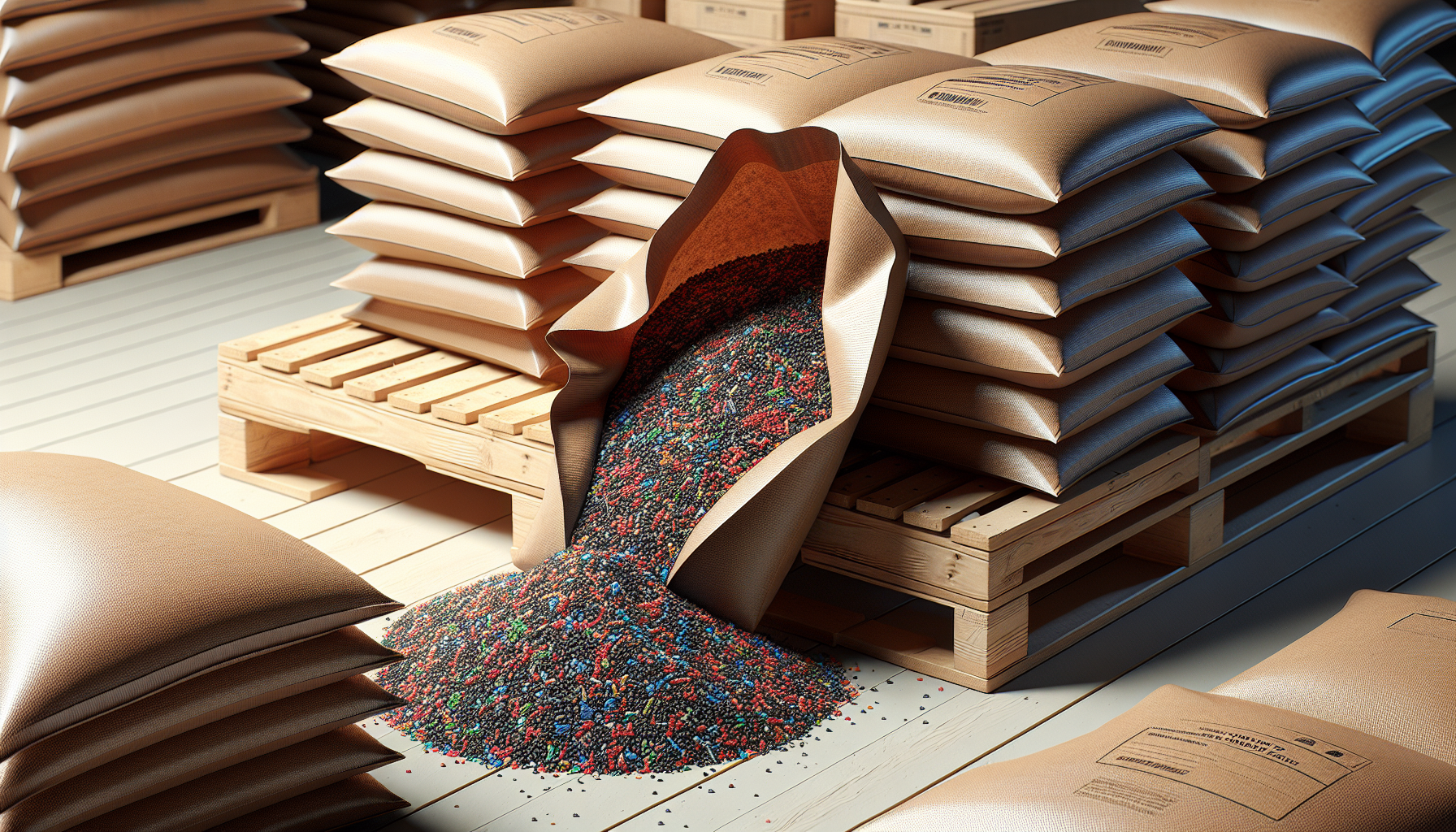

?Are you trying to figure out where to buy rubber playground mulch and which option is best for your project?
You’ll find that buying rubber playground mulch involves more choices than simply picking a color. You’ll want to balance safety, cost, sourcing, installation logistics, and local rules. This guide walks you through where to buy rubber mulch, how to compare suppliers, what questions to ask, and how to plan delivery and installation so your playground surface performs safely and lasts.

What is rubber playground mulch?
Rubber playground mulch is loose-fill or shredded rubber used as a shock-absorbing surface under playground equipment. It is commonly made from recycled tires or from virgin synthetic rubber formulated for playground use. It provides fall impact attenuation, resists decay, and requires less replacement than organic mulches.
You’ll want to understand the basic distinctions between material types because those differences affect pricing, performance, maintenance, and environmental considerations.
Types of rubber mulch
You’ll run across several common types of rubber mulch. Below is a quick summary to help you identify what a supplier is offering and match it to your needs.
- Recycled tire crumb (SBR): Made from ground-up scrap tires. Often dark black, economical, and widely available.
- Virgin EPDM rubber: Manufactured synthetic rubber that takes color well and resists fading. Often used in higher-end playground applications.
- Shredded or chipped rubber: Larger pieces resembling wood chips; good drainage and relatively lightweight.
- Rubber nuggets: Bigger rounded pieces that resist compaction and can look more decorative.
Each type has trade-offs in cost, aesthetics, heat retention, and impact attenuation. Keep those trade-offs in mind when choosing a supplier.
Where you can buy rubber playground mulch
You have several purchasing channels to consider. Each channel has different typical order sizes, price structures, and service levels. Choosing the right channel depends on whether you need a few bags for a yard or bulk quantities for a school, park, or commercial project.
Big-box home improvement stores
You can buy pre-bagged rubber mulch at large home improvement stores. Bags are convenient for small residential jobs and come in limited colors and sizes.
Buying at a big-box retailer is handy if you need small amounts immediately. Expect to pay per bag rather than per cubic yard, and check bag weights and coverage since bag sizes vary.
Online marketplaces and specialty e-retailers
Online marketplaces and specialty e-retailers supply both small and bulk quantities, and can ship nationally or regionally. You can compare product descriptions, reviews, and sometimes manufacturer test reports.
Online ordering is convenient, but pay attention to shipping costs because rubber mulch is heavy and bulky. Ask about delivery minimums, return policies, and whether the product is packaged on pallets.
Local landscaping suppliers and aggregates yards
Local landscape supply yards and aggregate suppliers often stock rubber mulch or can order bulk quantities. They commonly supply to homeowners and contractors and can arrange local delivery by dump truck.
You’ll often get competitive pricing and lower transport costs if you buy locally. Local suppliers may also help with load-outs if you plan DIY installation.
Rubber recycling processors and manufacturers
Companies that process scrap tires into crumb or shredded rubber sell bulk material directly. Working directly with a manufacturer or recycler can provide you with more control over material specifications (e.g., SBR vs EPDM), lab testing, and color choices.
Buying direct is often best for large institutional projects where you need documentation, certifications, or customized mixes.
Playground surfacing contractors and equipment vendors
Playground contractors and equipment vendors often sell and install rubber mulch as part of a packaged playground project. They handle specifications, ordering, delivery, and installation to meet safety standards.
If you want professional installation and warranty coverage for the surfacing, buying through an installer reduces your workload and ensures compliance with local playground standards.
Municipal cooperatives and procurement channels
If you’re buying for a school district, park system, or other public entity, procurement often goes through cooperative purchasing contracts or municipal suppliers. These channels can offer bulk pricing and pre-qualified vendors.
Buying through public procurement can simplify compliance and provide access to vendor performance histories. Expect formal quotes, lead times, and documentation requirements.
Table: Buying channels at a glance
| Buying Channel | Typical Order Size | Pros | Cons |
|---|---|---|---|
| Big-box stores | 1–50 bags | Immediate pickup; familiar returns | Limited colors/sizes; higher per-unit cost |
| Online retailers | 1 bag to truckload | Wide selection; compare options | Shipping heavy; delivery minimums |
| Local landscape yards | Bulk (cubic yards) | Lower freight, local pick-up | May have limited product types |
| Recyclers/manufacturers | Bulk | Custom specs, lab data, lower price per yd | Requires larger orders, longer lead time |
| Playground contractors | Bulk + install | Turnkey, code compliance, warranty | Higher total cost; schedule dependent |
| Municipal procurement | Bulk, contracted | Competitive pricing; documentation | Formal procurement process, lead time |

How to choose a supplier
You’ll want to vet suppliers carefully to ensure the material meets safety and environmental expectations. Use a checklist to compare options and gather the information you’ll need to make an informed purchase.
Ask for certifications and test reports
Request relevant testing and certifications before you buy. Key standards and test methods to ask about include:
- ASTM F1292 — Impact attenuation of surfacing materials within the use zone of playground equipment.
- ASTM F1951 — Test method for accessibility (wheelchair) of surface systems under and around playground equipment.
- Independent lab testing for heavy metals, PAHs (polycyclic aromatic hydrocarbons), VOCs, and other contaminants.
- Manufacturer warranty and quality control documentation.
Always ask the supplier for recent lab reports specific to the material batch or product you’re purchasing. Generic claims without documentation aren’t sufficient.
Check the source and material composition
Ask about the exact feedstock and manufacturing process. You’ll want to know whether the mulch is derived from recycled tires (SBR) or virgin rubber (EPDM or other elastomers). That affects color options, aging, heat retention, and possible chemical composition.
If color is important, ask about dye methods and colorfastness testing. Some dyed products use surface coatings that can wear off; ask about long-term coverage and re-dye recommendations.
Request samples
Ask the supplier to send or let you pick up a small sample. Seeing and feeling the material helps you confirm color, texture, and odor. You can also use a sample to perform a small in-place test to gauge compaction and drainage.
Compare price quotes and delivery terms
Get written quotes that include material price, delivery, minimum order quantity, freight, and any fees for offloading. Because rubber mulch is heavy, delivery charges can be significant—especially for long distances or small orders.
Ask whether you’ll receive a weight or volume-based delivery, and confirm that the supplier will replace damaged product or accept returns for unopened pallets.
Check references and installed projects
Ask for references or photos of previously installed projects. Contact past customers if possible and ask about longevity, maintenance needs, and any issues with the supplier or product.
Cost and quantity estimates
You’ll need to estimate how much material you’ll buy and what it will cost. Below are practical conversion facts and example ranges to help you budget. Prices and availability vary by region and vendor.
- 1 cubic yard = 27 cubic feet.
- Typical bag sizes: 1 cu ft, 2 cu ft, 3 cu ft. Check the bag label for actual coverage at your target depth.
- Typical residential depth: 6 inches for low fall heights.
- Typical commercial or high fall areas: 9–12 inches depending on the playground equipment’s fall height.
Coverage and depth guidance
Use the table below to estimate material requirements. These are general guidelines; consult the product manufacturer and ASTM F1292 calculations for precise depth requirements based on fall height.
| Area (sq ft) | 3 in depth (cu yd) | 6 in depth | 9 in depth | 12 in depth |
|---|---|---|---|---|
| 100 | 0.37 yd³ | 0.74 yd³ | 1.11 yd³ | 1.48 yd³ |
| 250 | 0.92 yd³ | 1.85 yd³ | 2.78 yd³ | 3.70 yd³ |
| 500 | 1.85 yd³ | 3.70 yd³ | 5.56 yd³ | 7.41 yd³ |
| 1000 | 3.70 yd³ | 7.41 yd³ | 11.11 yd³ | 14.81 yd³ |
To calculate: area (sq ft) × depth (ft) ÷ 27 = cubic yards.
Typical price ranges
Prices vary widely by type, color, order size, and region. Expect approximate ranges as follows (use these as ballpark figures only):
- Pre-bagged (small bags sold at retail): $6–$20 per bag (per 1–2 cu ft).
- Bulk recycled SBR rubber mulch: $150–$400+ per cubic yard including delivery (region-dependent).
- Virgin EPDM or colored rubber mulch: higher cost — often $300–$600+ per cubic yard installed.
For most residential jobs, buying bags is convenient but more expensive per cubic yard. For larger or commercial projects, bulk purchases lower the per-unit cost but require suitable delivery and handling.
Ordering and shipping logistics
You’ll want to coordinate measurement, ordering, delivery, and staging so installation runs smoothly.
Delivery options and what to expect
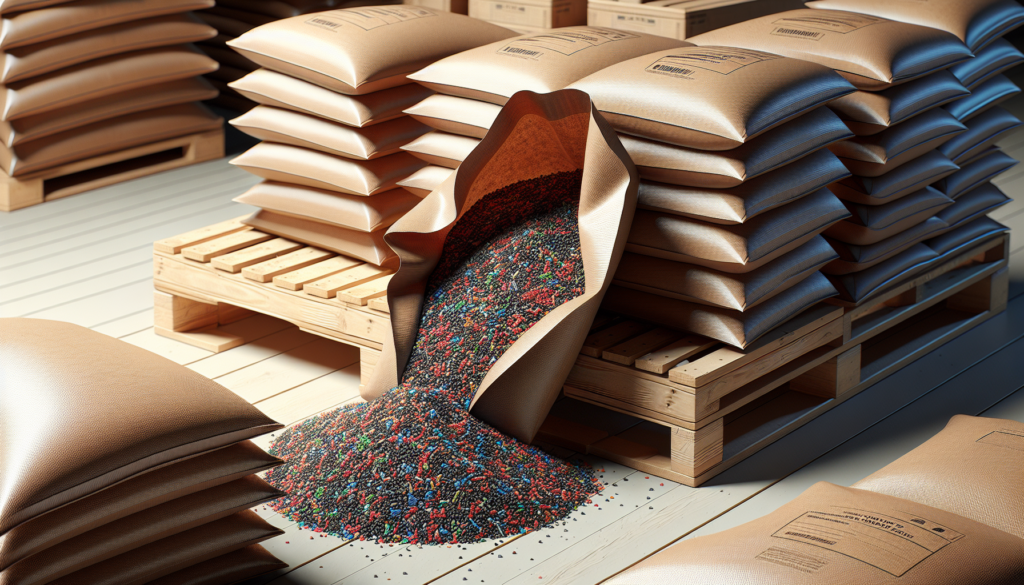
- Palletized bag delivery: Shipped on pallets and often delivered curbside with a pallet jack or by hand. Expect freight charges and minimum pallet orders.
- Bulk dump truck delivery: Most economical for large sites. The truck will dump material in one or more piles—plan staging and containment.
- LTL freight for smaller bulk orders: Less-than-truckload shipping may be possible, but can be costly.
Confirm access for delivery vehicles, offloading assistance, and whether the supplier can drive onto site or will only deliver to the curb.
Minimums and lead times
Many suppliers require a minimum order for bulk deliveries (often 3–5 cubic yards or more). Lead times can range from same-day for in-stock local yard pick-up to several weeks for custom colors or large production runs.
Ask about backorder policies and the supplier’s process for substitutions.
Installation basics
Proper installation maximizes safety, drainage, and longevity. You’ll want to prepare the site before material arrives and plan for containment to hold loose-fill rubber in place.
Site preparation
- Remove existing surface debris and level the area.
- Install edging or containment around the perimeter to keep mulch from migrating.
- Consider a permeable landscape fabric underlayer for weed control and separation from the subsoil; some installers avoid fabric to improve drainage depending on local conditions.
- Check slopes and drainage so water will not pool under playground equipment.
Depth and compaction
Maintain the target depth throughout the use zone. Note that rubber mulch settles less than wood mulch but still benefits from initial raking and spreading. Use a rake and landscape rake to evenly distribute material, and re-check depths after initial use.
Tools and materials you’ll need
- Wheelbarrows and shovels for spreading bulk material.
- Landscape rake for even distribution.
- Edging material (steel, timber, plastic) to contain mulch.
- Tamper or plate compactor (if recommended by manufacturer).
- Safety gear (gloves, dust mask if handling dusty crumb materials).
DIY vs. professional installation
You can install rubber mulch yourself for residential projects if you’re comfortable moving material. For larger or regulated commercial playgrounds, hire a licensed surfacing contractor to ensure impact attenuation requirements and documentation are met.
Maintenance and lifespan
Rubber mulch is low-maintenance compared to organic mulch but still requires periodic attention.
- Regularly check and top off loose-fill depth to maintain impact attenuation.
- Remove debris, such as sticks and leaves, to keep drainage open.
- Inspect edging and containment to prevent migration.
- Colored products may fade over time; plan for periodic touch-ups or re-coloring if aesthetics matter.
- Expect a lifespan of several years to a decade or more depending on material quality and exposure to sun and traffic.
Safety and environmental considerations
You’ll encounter questions about safety and environmental impact. The research is mixed and evolving, so take a cautious, evidence-based approach.
Health and chemical concerns
- Recycled tire-derived rubber can contain trace metals, PAHs, and VOCs. Independent lab testing for the specific product batch helps identify concentrations.
- Request test reports from suppliers and ask about any mitigation measures the manufacturer uses.
- Consider using certified low-emission or virgin rubber products when chemical concerns are a high priority.
Heat and flammability
Rubber surfaces can become hotter than organic alternatives in direct sun. Plan shaded areas or choose darker colors carefully. Rubber can also burn; while treated products resist ignition, you should keep open flames and ignition sources away from the surface.
Regulatory and local guidance
Some municipalities and agencies have guidelines or restrictions on the use of tire-derived products for playgrounds. Always check local regulations, school district policies, and insurance requirements before choosing rubber mulch.
ASTM and CPSC recommendations
- Ask your supplier for ASTM F1292 test results for impact attenuation at specified depths.
- For accessibility, request ASTM F1951 compliance testing if wheelchair access is a requirement.
- Review CPSC recommendations and local building codes regarding surfacing depths and use zones. Your installer or supplier should be familiar with these and provide documentation.
Alternatives to rubber mulch
You’ll want to consider alternatives if rubber mulch doesn’t suit your budget or regulatory constraints. Common options include:
- Engineered wood fiber (EWF): Proven impact attenuation, natural look, and lower cost. Requires more frequent topping off.
- Poured-in-place rubber: Durable, slip-resistant, and accessible, but higher upfront cost and professional installation required.
- Rubber tiles: Interlocking accessible tiles provide consistent impact absorption and easy maintenance but are more expensive.
- Sand or pea gravel: Cost-effective but not suitable for all playground types (limited impact attenuation and accessibility).
Compare alternatives on cost, maintenance, accessibility, and suitability for your equipment and users.
Frequently asked questions
You’ll likely have many practical questions when deciding where to buy. Below are common inquiries with concise guidance.
Q: Is rubber mulch safe for kids? A: Safety depends on material quality, depth, and maintenance. Choose a tested product, maintain recommended depth, and ask for lab results about chemical content.
Q: How much will I need for a typical backyard playset? A: For a 10′ × 12′ use zone at 6″ depth, you’ll need about 1.67 cubic yards (10 × 12 × 0.5 ft ÷ 27). Use the coverage table earlier for different sizes.
Q: Can I install rubber mulch myself? A: Yes for small residential areas. Prep the surface, install edging, and evenly distribute the material. For commercial or high fall-height areas, use a professional.
Q: Will rubber mulch fade? A: Colored EPDM or dyed products can fade over time due to UV exposure. Virgin EPDM typically retains color better than surface-dyed recycled rubber.
Q: How often do I need to top off rubber mulch? A: Annually in many cases. High-traffic areas may require more frequent topping off to maintain safety depth.
Q: Can rubber mulch be used to meet ADA accessibility? A: Loose-fill materials can be engineered to meet ASTM F1951 accessibility standards, but many loose-fill products do not meet ADA access without specific testing and installation. Confirm test results with the supplier.
Q: Does rubber mulch smell? A: New recycled rubber can have a rubber odor that usually dissipates with time and weathering. Virgin EPDM typically has less odor.
Q: How do I dispose of rubber mulch? A: Ask your supplier about recycling options and end-of-life policies. Some recyclers will accept used rubber for reprocessing.
Q: Is rubber mulch flammable? A: Rubber can burn if exposed to strong ignition sources. Use common-sense precautions and consider flame-retardant treated options if required.
Q: Can animals get hurt on rubber mulch? A: Rubber surfaces are generally safe, but small animals can hide in loose-fill mulch. For pet play areas, choose appropriate materials and monitor for ingestion risks.

Final checklist and next steps
You’re ready to take practical steps toward buying rubber playground mulch. Use this checklist to make the process smoother.
- Measure your playground area and determine target depth.
- Decide on material type (recycled SBR vs virgin EPDM vs nuggets).
- Contact several suppliers across channels: local yard, online retailer, and at least one manufacturer or recycler.
- Request samples and lab test reports (ASTM F1292, F1951, chemical analyses).
- Get written quotes that include material, freight, delivery method, minimums, and lead time.
- Verify installation requirements and whether you’ll DIY or hire a contractor.
- Confirm warranty terms and post-installation maintenance recommendations.
- Schedule delivery and staging so you can install promptly and evenly.
If you follow these steps, you’ll be able to compare options meaningfully and choose a supplier that meets your safety, budget, and aesthetic needs.
If you want, tell me the square footage of your project, the fall heights you’re working with, and whether you prefer recycled or virgin rubber. I can help estimate quantities, compare buying channels in your region, and suggest questions to ask specific suppliers.